

-
-
-
-
-
-
About Us



News
Empowering Humans with Robots
Scroll Down
The Future of Oil and Gas: Exploring the Role of Sandblasting Robots
In the highly specialized oil and gas industry, maintaining equipment and infrastructure is critical for safety and operational efficiency. One innovative solution that has emerged to address these challenges is the use of sandblasting robots. These automated machines are designed to clean, strip, and prepare surfaces for maintenance and safety inspections, thereby enhancing the overall effectiven
Jul 06,2025
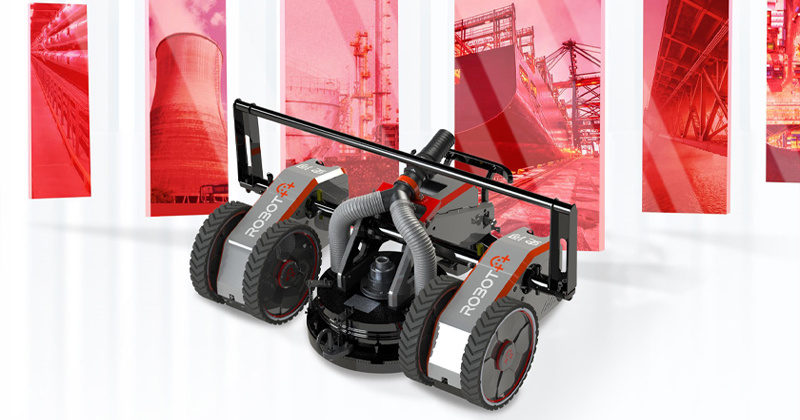
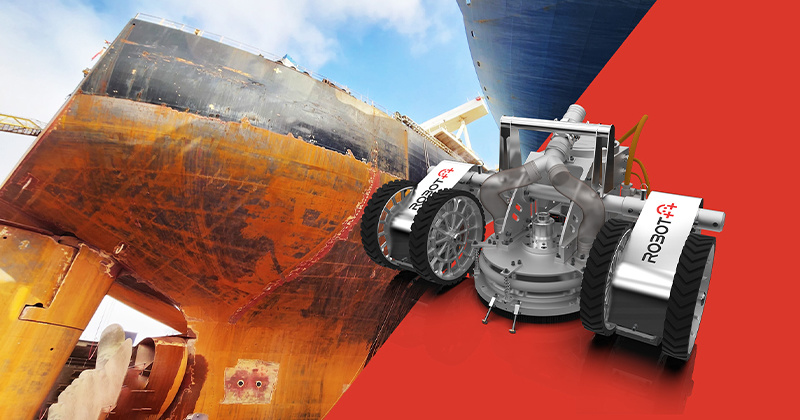
In the highly specialized oil and gas industry, maintaining equipment and infrastructure is critical for safety and operational efficiency. One innovative solution that has emerged to address these challenges is the use of sandblasting robots. These automated machines are designed to clean, strip, and prepare surfaces for maintenance and safety inspections, thereby enhancing the overall effectiveness of oil and gas operations.
Sandblasting, or abrasive blasting, is a process that involves propelling abrasive materials at high speeds to clean surfaces by removing contaminants like rust, paint, and other debris. Traditionally, this process required significant human labor and involved safety risks, particularly in hazardous environments. However, with the introduction of sandblasting robots, these challenges can be effectively mitigated.
The integration of robots into sandblasting processes provides several advantages. First and foremost, it enhances safety. Robots can operate in dangerous environments where exposure to toxic substances or extreme conditions could endanger human workers. By utilizing a sandblasting robot, companies can significantly reduce the risk of workplace injuries and comply with stringent safety regulations.
Additionally, sandblasting robots can operate with a high level of precision and efficiency. These machines are equipped with advanced sensors and automation technology that allow them to adjust their operation based on the surface condition and specific cleaning requirements. This level of adaptability not only ensures thorough cleaning but also minimizes waste by optimizing the use of abrasive materials.
Moreover, the use of sandblasting robots can lead to cost savings in the long run. While the initial investment in robotic technology may be substantial, the reduction in labor costs, decreased time required for maintenance, and improved safety can yield significant financial benefits over time. This aligns with the industry's ongoing efforts to streamline operations and implement cost-effective solutions.
As the oil and gas sector continues to face environmental pressures and the need for sustainable practices, sandblasting robots offer an innovative approach that aligns with these goals. By reducing the environmental impact of maintenance processes and improving the overall safety and efficiency of operations, robotic technology is poised to play a crucial role in the future of the industry.
In conclusion, the advent of sandblasting robots in the oil and gas sector signifies a significant technological advancement that enhances safety, efficiency, and cost-effectiveness. As professionals in the toy and robotics industry, understanding these applications can inspire the development of new robotic technologies that can be utilized across various sectors, paving the way for a more automated and efficient future.






If you are interested in our products, please leave your email and we will contact you as soon as possible. Thank you.