

-
-
-
-
-
-
About Us

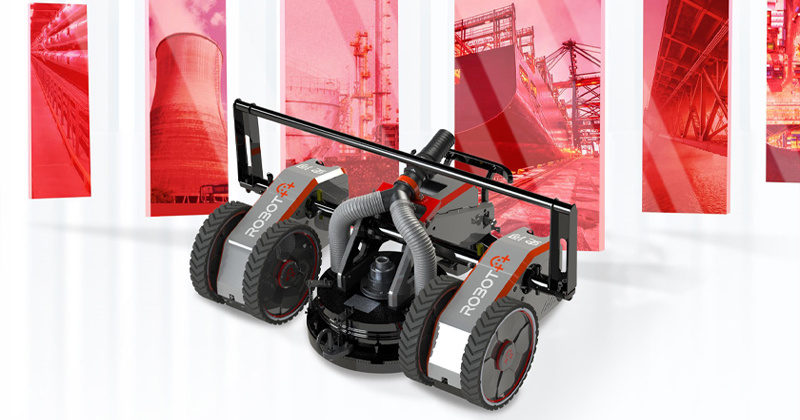
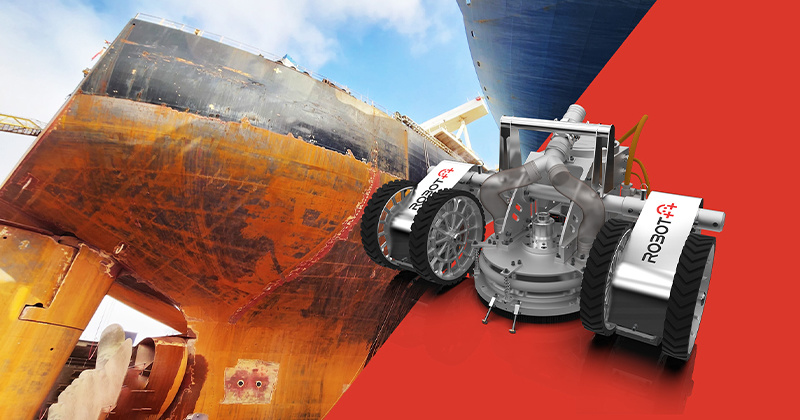
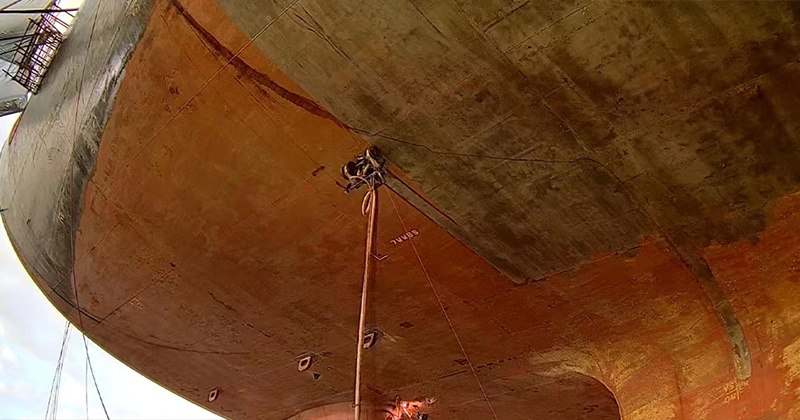



Empowering Humans with Robots
From Imagination to Reality: Exploring Dry Blasting Robots in the World of RC Toys
From Imagination to Reality: Exploring Dry Blasting Robots in the World of RC Toys Table of Contents 1. Introduction to Dry Blasting Robots 2. The Evolution of RC Toys: A Brief History 3. Mechanics Behind Dry Blasting Robots 4. Technology Innovations in Dry Blasting Robots 5. Applications of Dry Blasting Robots in Real Life 6. Benefits of Dry Blasting Robots in Play and Learning 7.
Sep 12,2025
From Imagination to Reality: Exploring Dry Blasting Robots in the World of RC Toys
Table of Contents
- 1. Introduction to Dry Blasting Robots
- 2. The Evolution of RC Toys: A Brief History
- 3. Mechanics Behind Dry Blasting Robots
- 4. Technology Innovations in Dry Blasting Robots
- 5. Applications of Dry Blasting Robots in Real Life
- 6. Benefits of Dry Blasting Robots in Play and Learning
- 7. Safety Features of Dry Blasting Robots
- 8. The Future of Dry Blasting Robots in RC Toys
- 9. Frequently Asked Questions (FAQs)
- 10. Conclusion
1. Introduction to Dry Blasting Robots
In the dynamic world of remote-controlled (RC) toys, dry blasting robots represent a remarkable intersection of creativity and technology. These innovative toys not only captivate children and adults alike but also serve as tools for education, offering a hands-on approach to learning about mechanics and engineering. As we explore the realm of dry blasting robots, we uncover their unique features, applications, and the exciting future that lies ahead.
2. The Evolution of RC Toys: A Brief History
The journey of RC toys began in the mid-20th century, evolving from simple mechanical models to sophisticated electronic devices. The introduction of remote control technology made it possible to operate toys from a distance, sparking significant interest among enthusiasts. The 1980s and 1990s marked a golden era for RC vehicles, leading to the rise of various types of toys, including cars, helicopters, and boats.
As technology advanced, manufacturers began to explore new possibilities, leading to the emergence of dry blasting robots. These robots, equipped with innovative mechanisms, offered a new dimension of play, merging fun with educational value.
3. Mechanics Behind Dry Blasting Robots
Understanding the mechanics of dry blasting robots is crucial to appreciating their complexity. At their core, these robots utilize a combination of motors, sensors, and remote control systems. The motors provide the necessary power to move the robot, while sensors enhance its functionality by allowing it to respond to its environment.
One of the standout features of dry blasting robots is their ability to simulate dry blasting technology, which is often used in industrial settings for surface preparation and cleaning. The robot’s design typically includes a blasting system that propels abrasive materials to effectively clean surfaces, making it a unique educational tool for understanding industrial processes.
4. Technology Innovations in Dry Blasting Robots
Recent advancements in technology have significantly influenced the design and functionality of dry blasting robots. Innovations such as artificial intelligence (AI), machine learning, and robotics have led to the creation of smarter, more interactive toys. These technologies allow dry blasting robots to learn from their environment, adapt to various tasks, and enhance user experience.
Additionally, the integration of mobile applications enables users to control their robots from smartphones or tablets, offering a more engaging and interactive play experience. This technological synergy not only enhances play but also encourages children to explore STEM (Science, Technology, Engineering, and Mathematics) concepts in a fun and engaging manner.
5. Applications of Dry Blasting Robots in Real Life
Dry blasting robots are not limited to the world of toys; they have practical applications in various industries. In construction and maintenance, these robots are used for surface preparation, cleaning, and even restoration projects. Their ability to provide precision cleaning without the use of water makes them an eco-friendly choice for many professionals.
In addition to industrial applications, dry blasting robots serve educational purposes. Schools and educational programs use these robots to teach students about engineering principles, robotics, and environmental sustainability. By engaging students in hands-on learning, dry blasting robots inspire the next generation of innovators and problem solvers.
6. Benefits of Dry Blasting Robots in Play and Learning
The benefits of incorporating dry blasting robots into play and learning are significant. Firstly, they foster creativity and imagination, allowing children to explore their ideas and bring them to life. Through interactive play, children can experiment with different designs and functions, enhancing their problem-solving skills.
Secondly, dry blasting robots promote teamwork and collaboration. Many children play with these robots in groups, encouraging communication, sharing, and cooperative learning. This social interaction is essential for developing interpersonal skills, which are crucial in both personal and professional settings.
Lastly, these robots serve as valuable educational tools that introduce children to important concepts in science and engineering. By exploring how these robots work, children gain a better understanding of mechanics, physics, and environmental responsibility.
7. Safety Features of Dry Blasting Robots
The safety of users, especially children, is a top priority in the design of dry blasting robots. Manufacturers implement various safety features to ensure that these toys can be enjoyed without risk. Many models are equipped with emergency stop buttons, allowing users to quickly halt operation if necessary.
Additionally, the materials used in constructing dry blasting robots are often non-toxic and comply with safety standards. Parent-friendly design considerations, such as rounded edges and sturdy construction, further enhance the safety of these toys.
8. The Future of Dry Blasting Robots in RC Toys
As technology continues to evolve, the future of dry blasting robots in the RC toy industry looks promising. We anticipate further integration of AI and machine learning, resulting in even smarter robots that can interact with users in more sophisticated ways. Additionally, advancements in battery technology may lead to longer playtimes and increased functionality.
Furthermore, we expect a rise in customizable dry blasting robots, allowing users to modify and personalize their toys for a unique experience. This trend aligns with the growing demand for personalized products in the toy industry, catering to individual preferences and creativity.
9. Frequently Asked Questions (FAQs)
What are dry blasting robots?
Dry blasting robots are remote-controlled toys that utilize a blasting mechanism to clean surfaces, providing an engaging way to learn about engineering and robotics.
How do dry blasting robots work?
These robots operate using a combination of motors, sensors, and remote control systems, allowing them to perform tasks that simulate dry blasting technology used in industrial applications.
What age group are dry blasting robots suitable for?
Most dry blasting robots are designed for children aged 8 and above, though specific age recommendations may vary by model. Always check the manufacturer’s guidelines for safety.
Can dry blasting robots be used for educational purposes?
Yes, dry blasting robots can be excellent educational tools, teaching children about engineering, robotics, and environmental sustainability through interactive play.
Are dry blasting robots safe for children?
Manufacturers prioritize safety in the design of dry blasting robots, incorporating features such as emergency stop buttons and non-toxic materials to ensure safe play.
10. Conclusion
Dry blasting robots represent a remarkable fusion of imagination, technology, and education in the world of remote-controlled toys. As we have explored, these innovative robots not only provide hours of entertainment but also serve as valuable tools for learning and development. The future of dry blasting robots is bright, with advancements in technology promising to enhance their capabilities and user experience. By integrating fun and education, dry blasting robots are paving the way for a new generation of curious minds and creative thinkers.






If you are interested in our products, please leave your email and we will contact you as soon as possible. Thank you.