

-
-
-
-
-
-
About Us



News
Empowering Humans with Robots
Scroll Down
Exploring the Future of Oil and Gas Sandblasting Robots in the Toy Industry
In recent years, the realm of robotics has made significant strides, influencing various industries, including oil and gas, and even the toy market. Specifically, oil and gas sandblasting robots have emerged as an intriguing topic, blending advanced technology with practical applications. While these robots are primarily designed for heavy-duty tasks in the oil and gas sector, the principles behin
Oct 04,2025
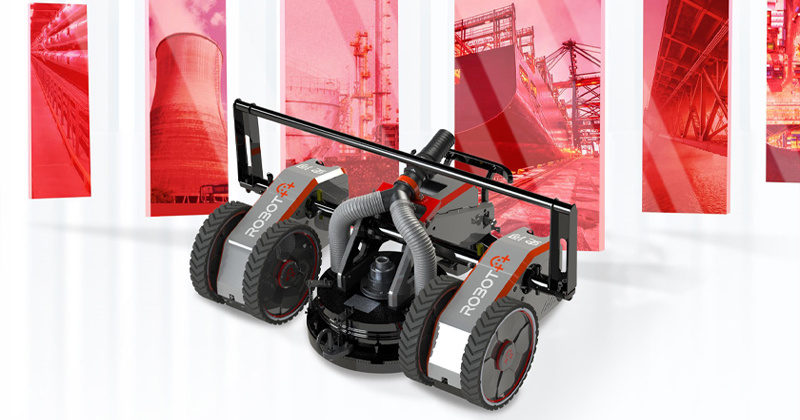
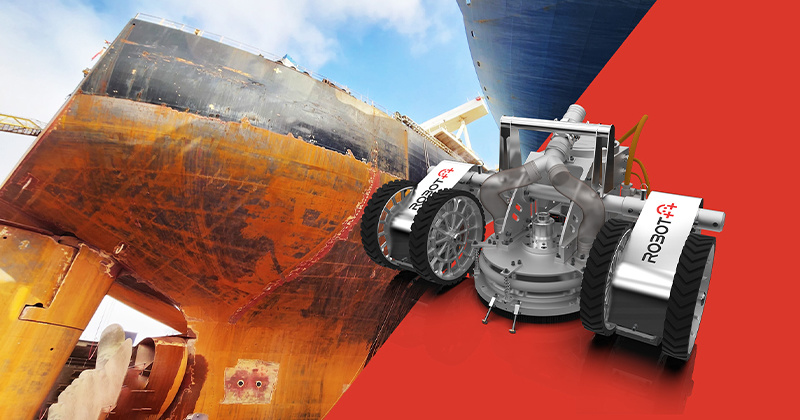
In recent years, the realm of robotics has made significant strides, influencing various industries, including oil and gas, and even the toy market. Specifically, oil and gas sandblasting robots have emerged as an intriguing topic, blending advanced technology with practical applications. While these robots are primarily designed for heavy-duty tasks in the oil and gas sector, the principles behind their operation and design can offer valuable insights into the development of electric and electronic toys, particularly robotic toys.
Oil and gas sandblasting robots are engineered for precision and efficiency in cleaning and surface preparation. They are equipped with sophisticated sensors and automation technologies that allow them to perform tasks with minimal human intervention. This level of sophistication can be paralleled in the toy industry, where similar technologies can enhance the play value and educational potential of robotic toys. For instance, incorporating sensors and automation in electric toys could lead to interactive experiences that engage children in learning about robotics, engineering, and environmental science.
One of the key technical aspects of oil and gas sandblasting robots is their ability to operate in hazardous environments. These robots are designed to withstand extreme conditions, including high temperatures and the presence of corrosive substances. This robustness can inspire the development of toys designed for outdoor use or in challenging play environments, ensuring they are safe and durable for children. Furthermore, the technological advancements in materials and robotics could translate into toys that are not only fun but also safe and educational.
Additionally, the programming capabilities of oil and gas sandblasting robots, which allow for complex task execution and adaptability, can influence how robotic toys are designed. By employing similar programming language and algorithms, toy manufacturers can create robots that are capable of learning from their surroundings and interacting with users, thus elevating the play experience. Such features could provide children with an early understanding of coding and robotics, fostering interest in STEM (Science, Technology, Engineering, and Mathematics) fields.
Moreover, as environmental concerns grow, the integration of eco-friendly technology in oil and gas sandblasting robots highlights a trend that could extend to the toy industry. Manufacturers can consider using sustainable materials and energy-efficient designs, reflecting a commitment to environmental responsibility, which is increasingly important to consumers.
In conclusion, while oil and gas sandblasting robots serve a critical role in industrial applications, the insights gained from their design, functionality, and technological advancements can significantly enhance the electric and electronic toy sector. By embracing these innovations, the toy industry has the potential to create engaging, educational, and environmentally responsible products that resonate with both children and parents alike. The future of robotic toys holds exciting possibilities, driven by ideas borrowed from industries such as oil and gas, paving the way for a new generation of interactive and learning-focused play experiences.






If you are interested in our products, please leave your email and we will contact you as soon as possible. Thank you.