

-
-
-
-
-
-
About Us



News
Empowering Humans with Robots
Scroll Down
The Future of Oil and Gas Sandblasting Robots: Revolutionizing Industrial Cleaning
In the oil and gas industry, maintaining equipment and infrastructure is crucial for safety, efficiency, and longevity. Traditional cleaning methods often involve manual labor and can be time-consuming and hazardous. This is where the advent of oil and gas sandblasting robots comes into play, offering a transformative solution that enhances operational efficiency and improves safety standards. Oil
Nov 19,2025
In the oil and gas industry, maintaining equipment and infrastructure is crucial for safety, efficiency, and longevity. Traditional cleaning methods often involve manual labor and can be time-consuming and hazardous. This is where the advent of oil and gas sandblasting robots comes into play, offering a transformative solution that enhances operational efficiency and improves safety standards.
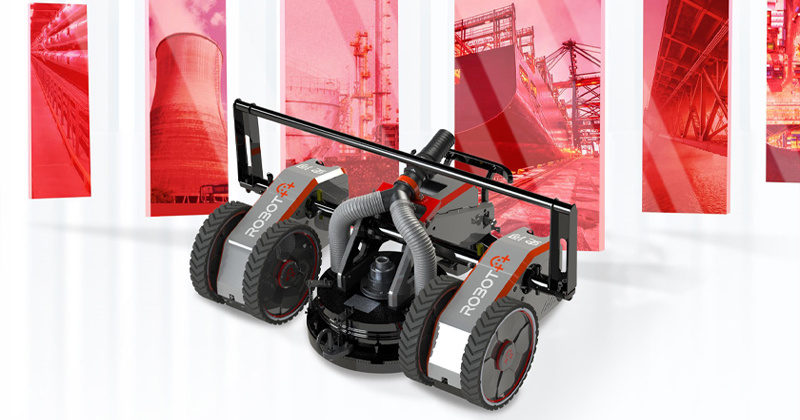
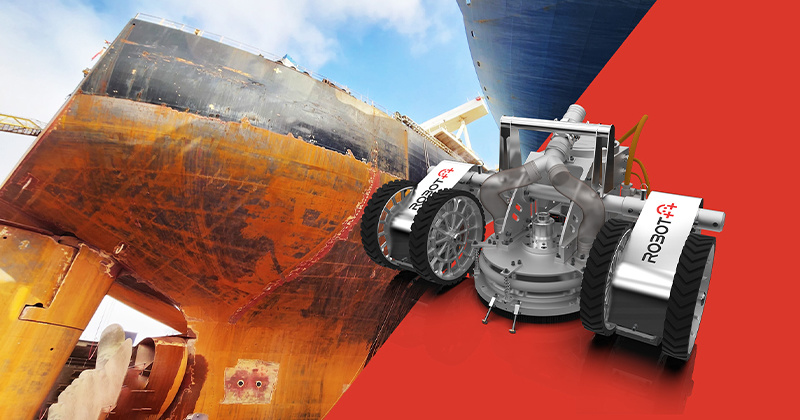
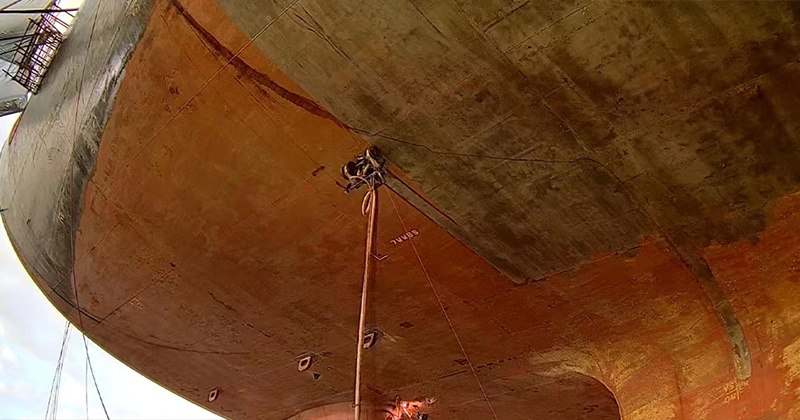
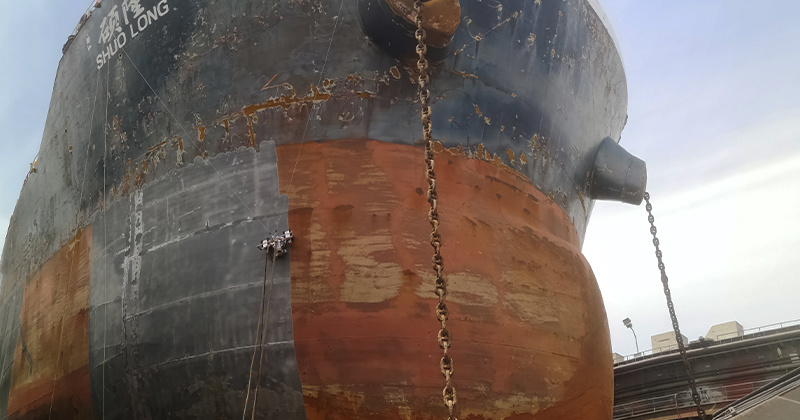
Oil and gas sandblasting robots are specialized machines designed to remove contaminants, rust, and old paint from industrial surfaces. They utilize high-pressure sandblasting techniques, which involve propelling abrasive materials at high velocities to clean surfaces effectively. The integration of robotics into this process allows for precise control and adaptability, enabling these machines to operate in environments that may be unsafe for human workers. This is particularly important in the oil and gas sector, where safety regulations are stringent, and exposure to hazardous materials can pose significant risks.
One of the key advantages of using oil and gas sandblasting robots is their ability to operate continuously and efficiently. Unlike human laborers, robots do not require breaks and can work in a variety of conditions, including extreme temperatures and confined spaces. This not only speeds up the cleaning process but also reduces downtime for maintenance, allowing companies to maximize productivity.
Furthermore, the automation of sandblasting processes can result in more consistent results. Robots are equipped with advanced sensors and control systems that enable them to adjust their blasting techniques in real-time, ensuring that surfaces are cleaned uniformly without risking damage to the underlying materials. This is particularly beneficial for industries that require high levels of precision and quality in their operations.
In addition to enhancing efficiency and safety, the use of oil and gas sandblasting robots also aligns with the growing trend of sustainability in industrial practices. Automated systems can be designed to minimize waste and optimize the use of resources, making them both eco-friendly and cost-effective. For instance, advanced robots can recycle abrasive materials, reducing the overall environmental footprint of the sandblasting process.
As professionals within the electric and electronic toy industry consider adopting similar technologies, there is a wealth of knowledge to gain from the advancements made in the oil and gas sector. The principles of automation, precision, and efficiency can be applied to the development of electric and electronic toys, particularly in manufacturing processes where cleanliness and safety are paramount.
In conclusion, oil and gas sandblasting robots represent a significant advancement in industrial cleaning technology. Their ability to enhance safety, efficiency, and sustainability makes them a valuable asset in the oil and gas industry and offers insights that can be leveraged across various sectors, including the electric and electronic toy market. As technology continues to evolve, the potential applications for robotic systems in industrial contexts will only expand, paving the way for safer and more efficient operational practices.






If you are interested in our products, please leave your email and we will contact you as soon as possible. Thank you.