

-
-
-
-
-
-
About Us




News
Empowering Humans with Robots
Scroll Down
Unlocking Efficiency: The Role of Petrochemical Sandblasting Robots in the Electric Toy Industry
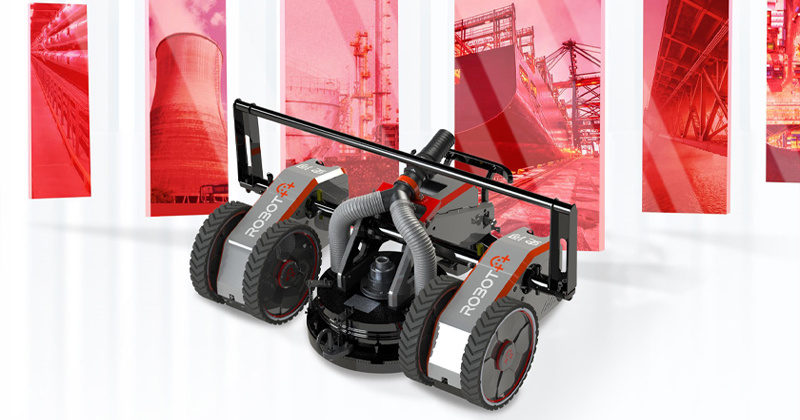
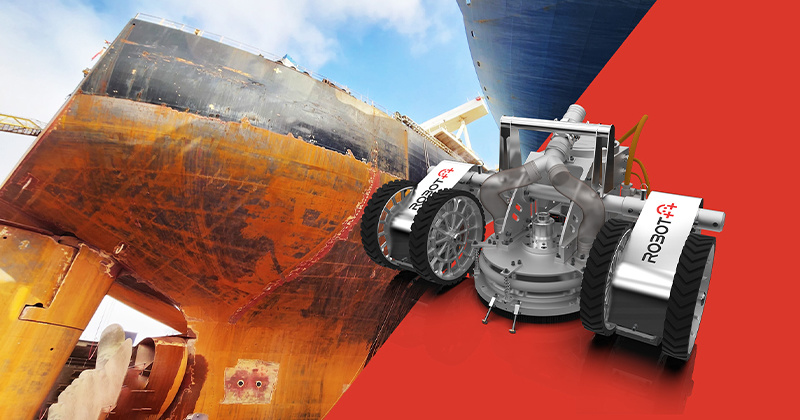
The petrochemical sandblasting robot is a cutting-edge technology that has found applications in various industries, including the manufacturing of electric and electronic toys. These robots utilize high-velocity streams of abrasive materials to clean, prep, or finish surfaces effectively. In the context of electric toys, precision and quality are paramount, and petrochemical sandblasting robots d
Dec 17,2025
The petrochemical sandblasting robot is a cutting-edge technology that has found applications in various industries, including the manufacturing of electric and electronic toys. These robots utilize high-velocity streams of abrasive materials to clean, prep, or finish surfaces effectively. In the context of electric toys, precision and quality are paramount, and petrochemical sandblasting robots deliver both.
One of the primary advantages of using a sandblasting robot is its ability to ensure a uniform finish on toy components. In electric toys, components such as plastic cases, metal parts, and electronic circuits often require precise surface treatment to enhance adhesion for paints, coatings, or protective finishes. The robotic sandblasting process can be finely tuned to apply varying intensities of abrasion, allowing manufacturers to accommodate different materials and textures. This adaptability not only enhances the aesthetic appeal of the final product but also contributes to durability, ensuring that toys withstand the rigors of playtime.
Moreover, the integration of petrochemical sandblasting robots in the production line can significantly reduce operational costs and time. Traditional sandblasting methods can be labor-intensive and time-consuming, often resulting in inconsistent finishes and increased waste. By automating the process with robots, manufacturers can achieve greater precision and speed, allowing for higher production rates without compromising quality. This efficiency is particularly crucial in the competitive toy market, where time-to-market can determine a product’s success.
Another significant benefit of these robots is their ability to operate in hazardous environments. Petrochemical applications often involve materials that may pose safety risks to human workers. By employing robots for sandblasting tasks, companies can create a safer workspace, minimizing the potential for accidents and injuries related to exposure to harmful substances.
Furthermore, the environmental impact of manufacturing processes is an increasing concern for consumers and regulators alike. Petrochemical sandblasting robots can be designed to minimize waste, utilizing closed-loop systems that recycle abrasive materials and reduce emissions. This not only aligns with sustainability goals but also helps manufacturers comply with environmental regulations, enhancing their market reputation.
In conclusion, the adoption of petrochemical sandblasting robots in the electric and electronic toy industry presents a transformative opportunity for manufacturers. By improving product quality, increasing efficiency, and enhancing workplace safety, these robots are paving the way for innovation in toy production. As the industry evolves, embracing such advanced technologies will be key to staying competitive and meeting the ever-growing demands of consumers.






If you are interested in our products, please leave your email and we will contact you as soon as possible. Thank you.