

-
-
-
-
-
-
About Us

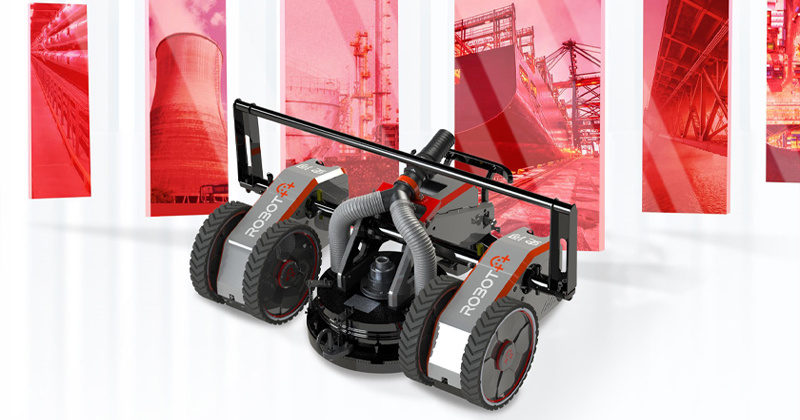
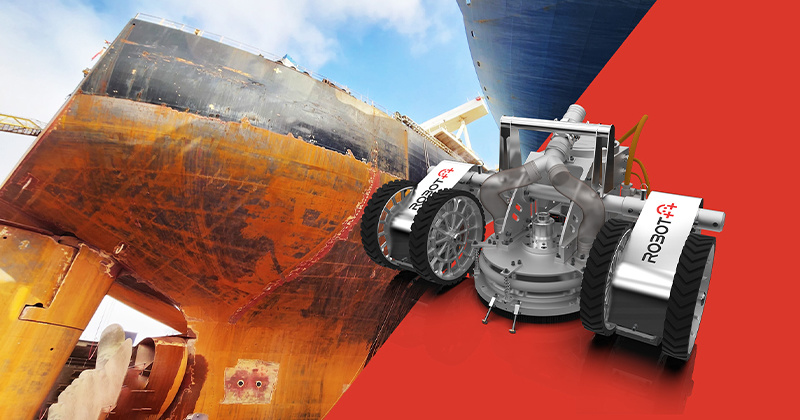
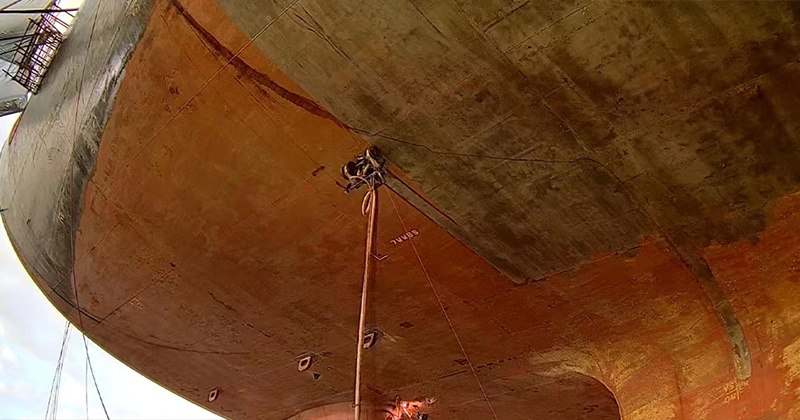
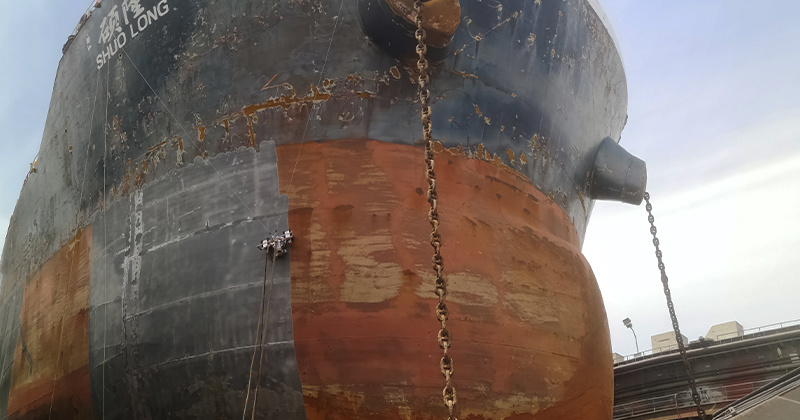


News
Empowering Humans with Robots
Scroll Down
From Manual to Machine: The Evolution of Sandblasting in Oil and Gas
From Manual to Machine: The Evolution of Sandblasting in Oil and Gas Table of Contents Introduction to Sandblasting in Oil and Gas The Historical Context of Sandblasting Techniques Manual Sandblasting: The Early Days Technological Advancements in Sandblasting The Shift to Automated Sandblasting Systems Applications of Sandblasting in Oil and Gas Benefits of Modern
Dec 24,2025
From Manual to Machine: The Evolution of Sandblasting in Oil and Gas
Table of Contents
- Introduction to Sandblasting in Oil and Gas
- The Historical Context of Sandblasting Techniques
- Manual Sandblasting: The Early Days
- Technological Advancements in Sandblasting
- The Shift to Automated Sandblasting Systems
- Applications of Sandblasting in Oil and Gas
- Benefits of Modern Sandblasting Technology
- Future Trends in Sandblasting Technology
- Frequently Asked Questions
- Conclusion
Introduction to Sandblasting in Oil and Gas
The oil and gas industry has undergone significant transformations over the years, particularly in the realm of surface preparation and maintenance. **Sandblasting**, a crucial technique initially embraced for its ability to remove contaminants and prepare surfaces, has evolved dramatically from manual processes to sophisticated automated systems. This article delves into the evolution of sandblasting, shedding light on the technologies that have shaped its development, the benefits of modern techniques, and the future of this essential practice in the oil and gas sector.
The Historical Context of Sandblasting Techniques
The origins of sandblasting can be traced back to the late 19th century, when the first abrasive blasting equipment was developed. Early practitioners relied heavily on manual labor to execute the task, utilizing simple mechanisms that involved blasting sand at high speeds to clean surfaces. As the oil and gas industry expanded, the need for efficient surface preparation became apparent, sparking innovations that led to more effective techniques.
Initially, sandblasting was favored for its ability to clean and prepare metal surfaces in refineries and drilling rigs, dramatically improving the durability and performance of equipment. However, manual sandblasting presented several challenges, including operator safety, inefficiency, and inconsistent results.
Manual Sandblasting: The Early Days
In the early days of sandblasting, operators used handheld tools that required significant physical strength and skill. Workers employed silica sand as the primary abrasive material, which posed health risks due to inhalation of silica dust. The lack of protective measures led to numerous health concerns, including silicosis, a serious lung disease affecting many sandblasters.
Despite these challenges, manual sandblasting was a popular choice due to its simplicity and immediate effectiveness. Operators could quickly clean surfaces, remove rust, and prepare them for painting or coating. However, the need for a more efficient and safer alternative was evident, paving the way for technological advancements.
Technological Advancements in Sandblasting
The advancement of technology in the late 20th century marked a turning point in the sandblasting industry. Innovations such as **recirculating systems** and **less toxic abrasives** emerged, significantly reducing the health hazards associated with traditional sandblasting. Materials like **alumina, glass beads**, and **plastic media** became popular alternatives to silica sand, offering safer options without compromising effectiveness.
Furthermore, the introduction of **containment systems** and **ventilation technologies** improved worker safety by minimizing exposure to harmful dust and debris. These technological innovations allowed the industry to embrace a more sustainable approach to sandblasting, addressing both environmental concerns and worker health.
The Shift to Automated Sandblasting Systems
As the demand for efficiency and precision grew within the oil and gas industry, the shift towards **automated sandblasting systems** began in earnest. These systems utilize computer-controlled technology, allowing for consistent and repeatable results with minimal human intervention. Automated sandblasting machines are capable of adjusting parameters such as pressure, velocity, and angle, optimizing the process for various surfaces and conditions.
One significant advantage of automated systems is the reduction of labor costs. By minimizing the need for manual labor, companies can allocate resources more effectively, enhancing overall productivity. Additionally, automation has led to improved safety, as workers are no longer required to be in close proximity to potentially hazardous conditions.
Applications of Sandblasting in Oil and Gas
Sandblasting plays a crucial role in various applications within the oil and gas sector. Key areas include:
Corrosion Prevention and Maintenance
Regular maintenance of pipelines, tanks, and drilling rigs is essential for preventing corrosion. Sandblasting effectively removes rust and other contaminants, ensuring surfaces are clean and ready for protective coatings.
Surface Preparation for Coatings
Before applying protective coatings, surfaces must be adequately prepared. Sandblasting removes old paint, scale, and other impurities, allowing coatings to adhere properly and extend the life of equipment.
Repair and Restoration of Equipment
In the oil and gas industry, equipment often suffers wear and tear due to harsh operating conditions. Sandblasting can restore surfaces to their original condition, prolonging the lifespan of machinery and reducing replacement costs.
Benefits of Modern Sandblasting Technology
The evolution of sandblasting technology provides numerous benefits, including:
Enhanced Efficiency
Modern sandblasting systems operate faster and more effectively than manual methods, allowing companies to meet tight project deadlines without compromising quality.
Improved Safety
Automation and advanced containment systems significantly reduce health risks for workers. Safer materials and technologies minimize exposure to harmful substances, creating a healthier work environment.
Environmental Sustainability
The use of non-toxic abrasives and closed-loop systems reduces waste and environmental impact. Companies are increasingly adopting sustainable practices, aligning with global initiatives for responsible resource management.
Cost Savings
While initial investments in modern sandblasting technology may be higher, the long-term savings in labor, materials, and maintenance make it a cost-effective choice for many companies in the oil and gas industry.
Future Trends in Sandblasting Technology
The future of sandblasting in the oil and gas industry is poised for further advancements. Emerging trends include:
Integration of Artificial Intelligence
The integration of AI technology into sandblasting systems will enable smarter, data-driven decision-making. AI can analyze performance metrics, predict maintenance needs, and optimize blasting parameters in real-time.
Advancements in Abrasive Materials
Ongoing research into new abrasive materials will likely result in even safer and more efficient options for sandblasting. Innovations may include bio-based abrasives and materials that enhance performance without compromising safety.
Increased Automation
The trend towards automation is expected to continue, with more companies integrating robotics and automated systems into their sandblasting processes. This shift will lead to increased efficiency and safety across the industry.
Frequently Asked Questions
What is sandblasting, and why is it important in the oil and gas industry?
Sandblasting is a surface preparation technique that uses abrasive materials propelled at high speeds to clean and prepare surfaces. It is crucial in the oil and gas industry for preventing corrosion, maintaining equipment, and ensuring the longevity of protective coatings.
How has sandblasting technology evolved over the years?
Sandblasting technology has shifted from manual processes to automated systems, incorporating advanced materials and safety measures. Innovations have improved efficiency, safety, and environmental sustainability.
What are the health risks associated with traditional sandblasting methods?
Traditional sandblasting methods often involve the use of silica sand, which poses serious health risks such as silicosis due to inhalation of dust. Modern techniques use safer materials to mitigate these risks.
What are the benefits of automated sandblasting systems?
Automated sandblasting systems offer enhanced efficiency, improved safety, reduced labor costs, and consistent results. They also align with sustainability goals by minimizing waste and environmental impact.
What does the future hold for sandblasting in the oil and gas industry?
The future of sandblasting is likely to involve continued automation, the integration of AI, and advancements in abrasive materials. These trends will enhance efficiency, safety, and environmental stewardship in the industry.
Conclusion
The evolution of sandblasting from manual to machine-driven methods has significantly transformed the oil and gas industry. By embracing technological advancements, the sector has improved efficiency, enhanced safety, and adopted more sustainable practices. As we look to the future, the integration of artificial intelligence and new materials will further revolutionize sandblasting, ensuring it remains a vital process in maintaining the integrity and performance of oil and gas infrastructure.






If you are interested in our products, please leave your email and we will contact you as soon as possible. Thank you.