

-
-
-
-
-
-
About Us



News
Empowering Humans with Robots
Scroll Down
Revolutionizing Industrial Cleaning: The Role of Oil and Gas Sandblasting Robots
In recent years, the oil and gas industry has increasingly turned to advanced technologies to improve operational efficiency and maintain safety standards. One such innovation is the oil and gas sandblasting robot, which plays a crucial role in surface preparation and cleaning tasks. These robots are specifically designed to handle the demanding conditions often found in industrial environments, m
Jan 28,2026
In recent years, the oil and gas industry has increasingly turned to advanced technologies to improve operational efficiency and maintain safety standards. One such innovation is the oil and gas sandblasting robot, which plays a crucial role in surface preparation and cleaning tasks. These robots are specifically designed to handle the demanding conditions often found in industrial environments, making them a valuable asset in maintaining equipment and infrastructure.
Sandblasting, or abrasive blasting, is a process used to clean, smooth, or prepare surfaces by propelling abrasive materials at high velocity. This is particularly important in the oil and gas sector, where equipment and pipelines can accumulate rust, scale, and other contaminants that may compromise performance and safety. Traditional sandblasting techniques often require human operators to work in hazardous conditions, exposing them to harmful materials and environments. This is where sandblasting robots come into play.
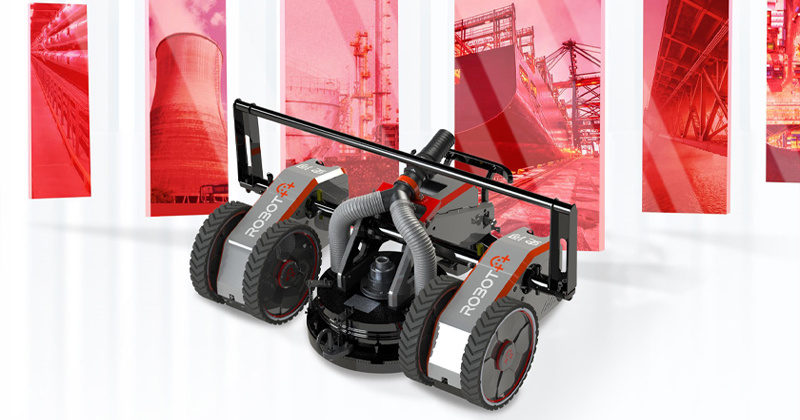
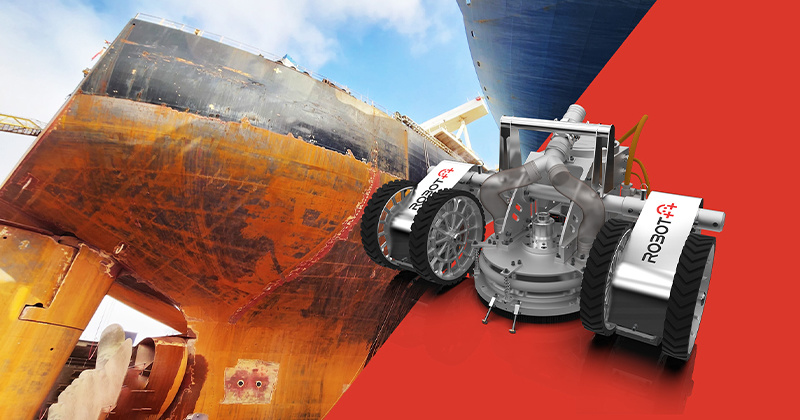
Oil and gas sandblasting robots are engineered to automate the abrasive blasting process, allowing for efficient surface cleaning without putting human operators at risk. Equipped with advanced sensors and programming, these robots can navigate complex environments, adjust to varying surface conditions, and ensure consistent quality in their work. By taking over the labor-intensive and hazardous aspects of sandblasting, these robots not only enhance workplace safety but also reduce downtime and maintenance costs associated with manual cleaning methods.
One of the significant advantages of using oil and gas sandblasting robots is their ability to operate in confined spaces and challenging terrains where human access may be limited. This capability is crucial in oil rigs, refineries, and petrochemical plants, where extensive equipment needs regular maintenance to prevent failures and optimize performance. Furthermore, the precision offered by these robots leads to better surface preparation, which is essential for applying protective coatings and ensuring the longevity of materials.
As the demand for efficiency and safety in industrial processes continues to grow, the future of oil and gas sandblasting robots looks promising. Innovations in robotics and artificial intelligence are expected to enhance the capabilities of these machines, enabling them to perform more complex cleaning tasks while reducing the environmental impact of abrasive blasting. The integration of real-time monitoring and data analytics will further empower operators to make informed decisions, ultimately improving operational efficiency.
In conclusion, the advent of oil and gas sandblasting robots marks a significant advancement in the cleaning and maintenance of industrial equipment. By leveraging robotic technology, the oil and gas industry can enhance safety, reduce costs, and improve the overall effectiveness of surface preparation processes. As this technology continues to evolve, it will undoubtedly play a vital role in shaping the future of industrial operations.






If you are interested in our products, please leave your email and we will contact you as soon as possible. Thank you.