

-
-
-
-
-
-
About Us



News
Empowering Humans with Robots
Scroll Down
Revolutionizing Inspection: The Role of Oil and Gas Dome Blasting Robots
In the ever-evolving landscape of the oil and gas industry, safety and efficiency are paramount. One of the groundbreaking advancements contributing to these goals is the oil and gas dome blasting robot. These robotic systems are engineered to perform various operations, primarily focused on inspection and maintenance tasks within challenging environments, such as oil rigs and gas processing facil
Mar 25,2026
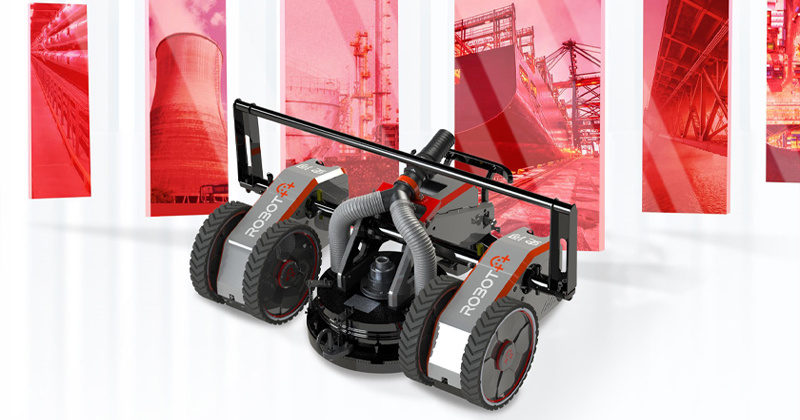
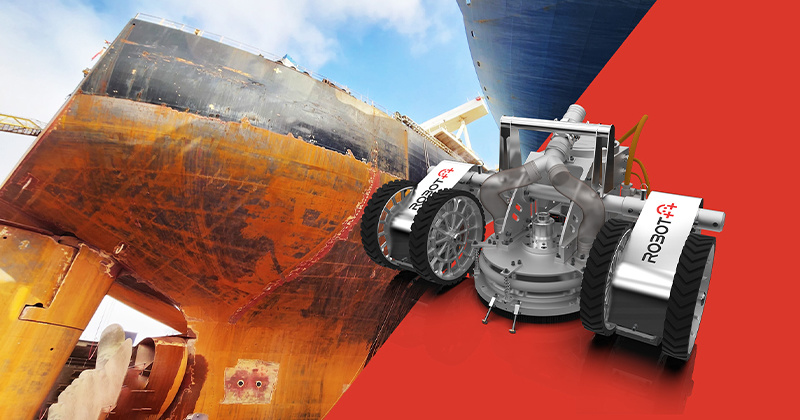
In the ever-evolving landscape of the oil and gas industry, safety and efficiency are paramount. One of the groundbreaking advancements contributing to these goals is the oil and gas dome blasting robot. These robotic systems are engineered to perform various operations, primarily focused on inspection and maintenance tasks within challenging environments, such as oil rigs and gas processing facilities.
Oil and gas dome blasting robots are equipped with advanced sensors and cameras, allowing them to navigate complex structures and gather crucial data. Their primary function is to conduct inspections in areas that are difficult or dangerous for human workers to access. By utilizing these robots, companies can significantly reduce the risk of accidents while ensuring thorough evaluations of equipment and infrastructure.
One of the key advantages of employing oil and gas dome blasting robots is the precision they bring to inspection tasks. Traditional methods often rely on human intervention, which can lead to inconsistencies and potential oversights. In contrast, robots are programmed to follow specific protocols, utilizing high-resolution imaging and real-time data analysis to detect anomalies such as corrosion or wear and tear. This level of accuracy not only enhances safety but also aids in timely maintenance, potentially saving companies from costly downtimes.
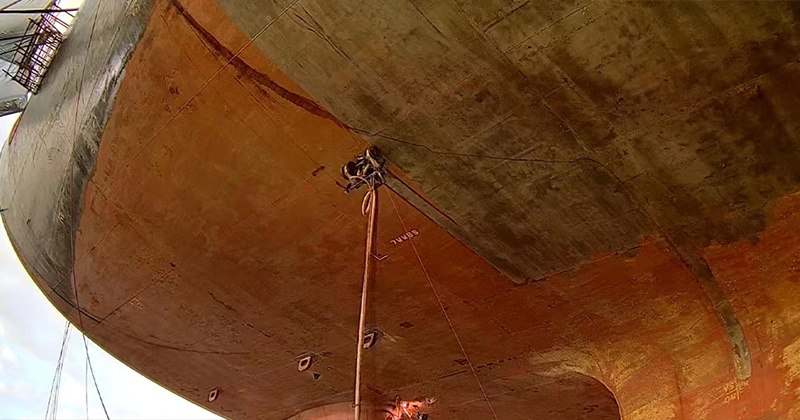
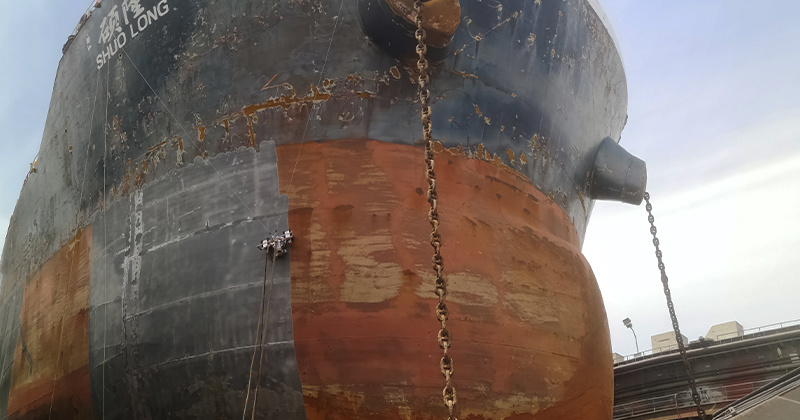
Another benefit of these robotic systems is their ability to operate in hazardous environments where human presence is restricted. For instance, during blasting operations or when inspecting confined spaces, the risk of exposure to harmful substances is significantly mitigated. This innovation allows for continuous monitoring without compromising safety standards, thus fostering a more sustainable operation within the oil and gas sector.
Moreover, the integration of oil and gas dome blasting robots into routine maintenance practices can lead to substantial cost savings. By automating inspection processes, companies can streamline operations, minimize human labor costs, and reduce the need for extensive safety training and protocols typically required for on-site personnel.
Looking ahead, the role of oil and gas dome blasting robots is expected to expand as technology advances. Innovations in artificial intelligence and machine learning are likely to enhance their capabilities, enabling them to make informed decisions during inspections and even perform minor repairs autonomously. This progressive shift not only enhances operational efficiency but also promotes a culture of safety and reliability in the energy sector.
In conclusion, oil and gas dome blasting robots represent a significant leap forward in the industry's approach to maintenance and inspection. Their precision, safety features, and potential for cost-effectiveness make them invaluable assets in a field where efficiency and risk management are critical. As technology continues to evolve, these robotic solutions will undoubtedly play an increasingly vital role in shaping the future of oil and gas operations.






If you are interested in our products, please leave your email and we will contact you as soon as possible. Thank you.