
-
-
-
-
-
-
About Us


Empowering Humans with Robots
Swing arm multi-function robot company
Expert Swing arm multi-function robot company. RobotPlusPlus delivers innovative automation, precision engineering, and reliable global logistics for smarter manufacturing. Partner with us to upgrade your production line.
Dec 17,2025
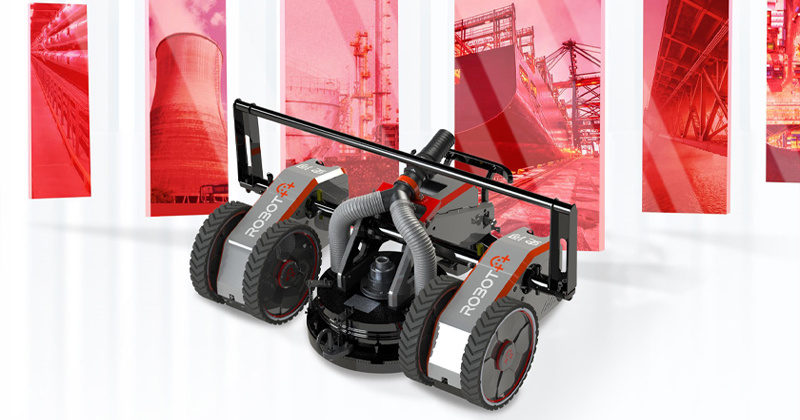
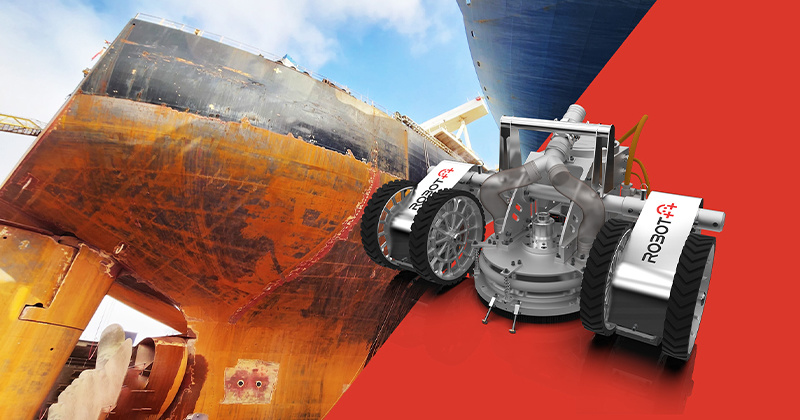
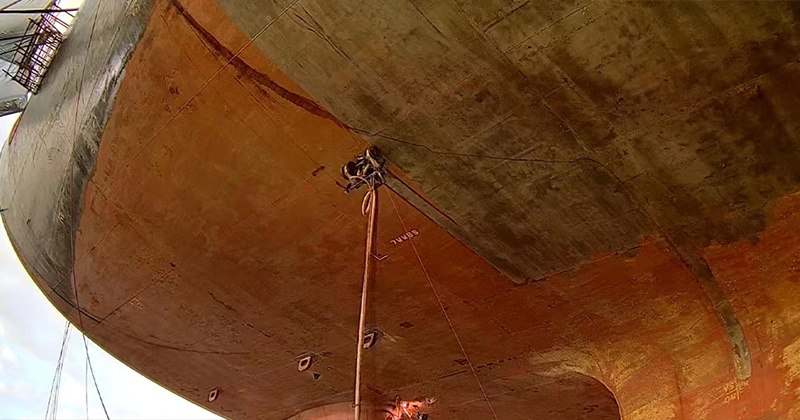
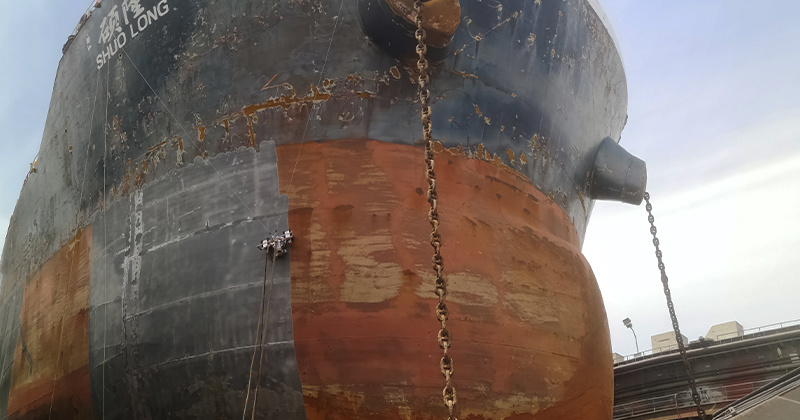
Swing Arm Robot HighMate A10/20 series is a compact open blasting (hydro/abrasive/dry-ice/wet) and cleaning robot. The modular design allows one man to replace the open cleaning module with a vacuum dome module on a V40/V45 in 20 minutes. The swing speed and span can be adjustable. Two versions are available for high and low curvature.

Product Features
1.Modular Design: Easier maintenance and servicing.
2.Intelligent Control System: Highly integrated with one-click lane change and positioning navigation.
3.Multiple Unit Compatibility: Compatible with various tools and fixtures, capable of equipping high-pressure water nozzles, sandblasting guns, paint spray guns, etc., to meet different requirements.
4.Wide Range of Applications: Strong adaptability to curved surfaces, capable of operating on vertical surfaces, flat surfaces, and curved surfaces.
Technical Parameter

| Description | ||||||
| Swing Arm Robot HighMate A10 series is a compact open blasting (hydro/abrasive/dry-ice/wet)and cleaning robot.The modular design allows one man to replace the open cleaning module with a vacuum dome module on a V40/V45 in 20 minutes.The swing speed and span can be adjustable.Two versions are available for high and low curvature. | ||||||
| Specifications | ||||||
| Size | 1127×915×587 mm | |||||
| Weight | 85 kg | Power | 1.2 Kw AC220V/50Hz | |||
| Cleaning width | 1400 mm | Obstacle crossing | ≤18 mm | |||
| Min curvature radius | 3m (hinge joint version) | Max speed | 10 m/min | |||
| Production Rate | 30-150 m²/h (Efficiency varies with parameters such as operators 'proficiency, coating type,and water pressure) | |||||
| Control mode | Remote control-Manual/Semi-autonomous /Autonomous | |||||
| Surface quality | WJ1 to 4 or less | Maximal load capacity | 150 kg | |||
| Pump requirement | Pressure | 300-2,800 Bars | Flow | 18-150 I/min | ||
Video

In the evolving landscape of industrial automation, the swing arm multi-function robot has emerged as a pivotal technology. Characterized by its rotational arm movement, this configuration offers a unique blend of precision, flexibility, and space efficiency. The core design principle of the swing arm multi-function robot allows it to operate within a wide arc, making it exceptionally suitable for tasks that require access to multiple workstations from a single fixed point. This foundational versatility is the first of many compelling advantages this technology brings to modern manufacturing and logistics environments.
A primary benefit lies in its remarkable space optimization. Unlike linear robots that require long tracks, the swing arm multi-function robot utilizes a compact footprint. Its ability to rotate and reach within a substantial area means it can serve several adjacent processes without the need for extensive floor space or complex reconfiguration. This makes it an ideal solution for facilities where space is at a premium, allowing for denser production line layouts and more efficient use of valuable factory real estate.
When discussing operational flexibility, the "multi-function" aspect truly comes to the fore. These systems are typically equipped with quick-change tooling interfaces, enabling a single swing arm multi-function robot to perform a diverse set of tasks within its work envelope. In a single cycle, it might perform picking, precision assembly, quality inspection, and packaging. This multifunctional capability reduces the need for multiple dedicated machines, simplifying production flow, lowering capital investment, and enhancing adaptability to changing product designs or batch sizes.
The design also contributes significantly to improved production efficiency and cycle time reduction. The smooth, rotational motion of the swing arm multi-function robot is often faster for tasks within its arc than robots requiring start-stop linear movements. By minimizing idle travel time and performing multiple operations sequentially, it streamlines workflow. This seamless integration of functions leads to higher throughput and allows for more synchronized production cycles, directly impacting overall equipment effectiveness (OEE).






If you are interested in our products, please leave your email and we will contact you as soon as possible. Thank you.