

-
-
-
-
-
-
About Us


News
Empowering Humans with Robots
Scroll Down
Exploring the Innovative World of Dry Blasting Robots in Remote-Controlled Toys
In recent years, the incorporation of advanced technologies in toy manufacturing has led to the emergence of innovative tools like dry blasting robots. This cutting-edge technology plays a pivotal role in enhancing the quality and appeal of remote-controlled toys, particularly in terms of surface finish and durability. But what exactly is a dry blasting robot, and how does it impact the industry?
Jul 24,2025
In recent years, the incorporation of advanced technologies in toy manufacturing has led to the emergence of innovative tools like dry blasting robots. This cutting-edge technology plays a pivotal role in enhancing the quality and appeal of remote-controlled toys, particularly in terms of surface finish and durability. But what exactly is a dry blasting robot, and how does it impact the industry?
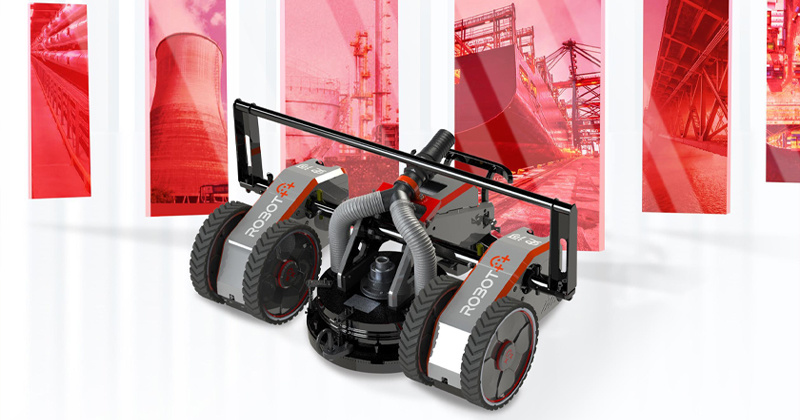
A dry blasting robot is an automated machine designed for surface treatment processes that utilize dry abrasives to clean, polish, or finish materials. Unlike traditional blasting methods that may involve water or other liquids, dry blasting leverages air pressure to propel abrasives onto the target surface, effectively removing unwanted materials such as dust, paint, or oxidation. This process is essential in ensuring that the components of remote-controlled toys have a refined finish and exhibit superior aesthetics and functionality.
One of the most significant advantages of dry blasting robots is their ability to achieve a uniform and high-quality surface finish. This is particularly important in the toy industry, where aesthetics play a crucial role in customer satisfaction. By using dry blasting robots, manufacturers can ensure that each toy has a consistent look and feel, enhancing its market appeal.
Moreover, dry blasting robots contribute to increased efficiency in the manufacturing process. Automated systems can operate at high speeds and with precision, reducing the time required for surface treatment. This efficiency not only accelerates production cycles but also allows manufacturers to meet growing consumer demands without compromising quality.
In addition to improving efficiency and quality, dry blasting robots are also aligned with sustainability efforts. The absence of water and the reduced need for chemical cleaning agents mean that the process generates less waste and has a smaller environmental footprint. This is increasingly important for consumers who are becoming more conscious of environmental issues and prefer brands that demonstrate a commitment to sustainability.
Furthermore, the implementation of dry blasting robots enhances safety in the workplace. Automated processes reduce the need for human intervention in potentially hazardous environments, minimizing the risk of accidents and ensuring a safer working atmosphere for employees.
In summary, dry blasting robots represent a significant advancement in the manufacturing of remote-controlled toys. By improving surface finishes, enhancing production efficiency, supporting sustainability, and promoting workplace safety, these robots are redefining standards in the industry. As technology continues to evolve, it will be exciting to see how innovations like dry blasting robots will further shape the future of toy manufacturing and enhance the overall consumer experience.
A dry blasting robot is an automated machine designed for surface treatment processes that utilize dry abrasives to clean, polish, or finish materials. Unlike traditional blasting methods that may involve water or other liquids, dry blasting leverages air pressure to propel abrasives onto the target surface, effectively removing unwanted materials such as dust, paint, or oxidation. This process is essential in ensuring that the components of remote-controlled toys have a refined finish and exhibit superior aesthetics and functionality.
One of the most significant advantages of dry blasting robots is their ability to achieve a uniform and high-quality surface finish. This is particularly important in the toy industry, where aesthetics play a crucial role in customer satisfaction. By using dry blasting robots, manufacturers can ensure that each toy has a consistent look and feel, enhancing its market appeal.
Moreover, dry blasting robots contribute to increased efficiency in the manufacturing process. Automated systems can operate at high speeds and with precision, reducing the time required for surface treatment. This efficiency not only accelerates production cycles but also allows manufacturers to meet growing consumer demands without compromising quality.
In addition to improving efficiency and quality, dry blasting robots are also aligned with sustainability efforts. The absence of water and the reduced need for chemical cleaning agents mean that the process generates less waste and has a smaller environmental footprint. This is increasingly important for consumers who are becoming more conscious of environmental issues and prefer brands that demonstrate a commitment to sustainability.
Furthermore, the implementation of dry blasting robots enhances safety in the workplace. Automated processes reduce the need for human intervention in potentially hazardous environments, minimizing the risk of accidents and ensuring a safer working atmosphere for employees.
In summary, dry blasting robots represent a significant advancement in the manufacturing of remote-controlled toys. By improving surface finishes, enhancing production efficiency, supporting sustainability, and promoting workplace safety, these robots are redefining standards in the industry. As technology continues to evolve, it will be exciting to see how innovations like dry blasting robots will further shape the future of toy manufacturing and enhance the overall consumer experience.






If you are interested in our products, please leave your email and we will contact you as soon as possible. Thank you.