

-
-
-
-
-
-
About Us



News
Empowering Humans with Robots
Scroll Down
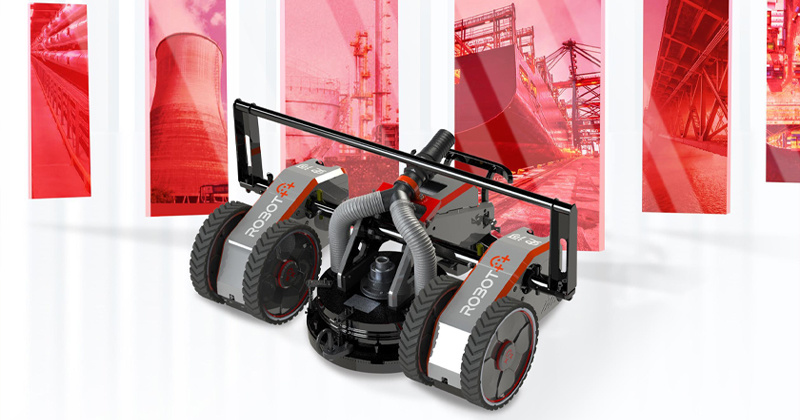
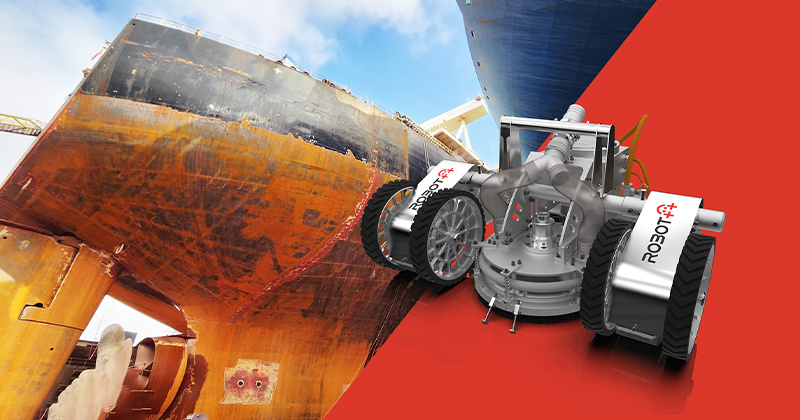
Revolutionizing Oil and Gas Maintenance: The Role of Sandblasting Robots
The oil and gas industry is known for its challenging environments and rigorous maintenance requirements. One innovative solution that is gaining traction is the use of sandblasting robots. These automated systems offer a new approach to surface preparation and cleaning tasks, which are essential for maintaining the integrity and longevity of equipment and infrastructure in this sector. Sandblasti
Sep 04,2025
The oil and gas industry is known for its challenging environments and rigorous maintenance requirements. One innovative solution that is gaining traction is the use of sandblasting robots. These automated systems offer a new approach to surface preparation and cleaning tasks, which are essential for maintaining the integrity and longevity of equipment and infrastructure in this sector.
Sandblasting, or abrasive blasting, involves propelling fine particles at high speeds to clean or prepare surfaces for further treatment. In the oil and gas industry, this process is critical for removing rust, scale, and other contaminants from pipelines, storage tanks, and drilling equipment. Traditional sandblasting methods often involve manual labor, which can pose significant safety risks and inefficiencies. Here, the introduction of robotics changes the game.
One of the key advantages of sandblasting robots is their ability to operate in hazardous environments. These robots can be deployed in areas where human workers would be at risk due to toxic substances or extreme conditions. By automating the sandblasting process, companies can reduce the likelihood of workplace accidents and ensure compliance with stringent safety regulations.
Furthermore, sandblasting robots enhance operational efficiency. They can work continuously, often at faster rates than manual methods, significantly reducing downtime during maintenance activities. This increased productivity allows companies in the oil and gas sector to minimize operational disruptions and optimize resource allocation.
Additionally, these robots can be programmed to apply varying levels of pressure and adjust the angle of sandblasting, allowing for more precise and effective cleaning. This adaptability not only improves the quality of the surface preparation but also extends the lifespan of the equipment by preventing damage that could occur with improper sandblasting techniques.
From an environmental perspective, the use of sandblasting robots can contribute to sustainability efforts within the oil and gas industry. These machines can be designed to use less abrasive material, thereby reducing waste and the overall environmental footprint of maintenance operations. Moreover, robots can often be equipped with systems to capture dust and debris, further mitigating pollution and promoting cleaner work areas.
In conclusion, the integration of sandblasting robots in the oil and gas industry represents a significant advancement in maintenance technology. By enhancing safety, improving efficiency, and contributing to environmental sustainability, these robots are poised to play a crucial role in the future of oil and gas operations. As the industry continues to evolve, embracing such innovations will be vital for maintaining competitiveness and ensuring the safety of personnel and the environment alike.
Sandblasting, or abrasive blasting, involves propelling fine particles at high speeds to clean or prepare surfaces for further treatment. In the oil and gas industry, this process is critical for removing rust, scale, and other contaminants from pipelines, storage tanks, and drilling equipment. Traditional sandblasting methods often involve manual labor, which can pose significant safety risks and inefficiencies. Here, the introduction of robotics changes the game.
One of the key advantages of sandblasting robots is their ability to operate in hazardous environments. These robots can be deployed in areas where human workers would be at risk due to toxic substances or extreme conditions. By automating the sandblasting process, companies can reduce the likelihood of workplace accidents and ensure compliance with stringent safety regulations.
Furthermore, sandblasting robots enhance operational efficiency. They can work continuously, often at faster rates than manual methods, significantly reducing downtime during maintenance activities. This increased productivity allows companies in the oil and gas sector to minimize operational disruptions and optimize resource allocation.
Additionally, these robots can be programmed to apply varying levels of pressure and adjust the angle of sandblasting, allowing for more precise and effective cleaning. This adaptability not only improves the quality of the surface preparation but also extends the lifespan of the equipment by preventing damage that could occur with improper sandblasting techniques.
From an environmental perspective, the use of sandblasting robots can contribute to sustainability efforts within the oil and gas industry. These machines can be designed to use less abrasive material, thereby reducing waste and the overall environmental footprint of maintenance operations. Moreover, robots can often be equipped with systems to capture dust and debris, further mitigating pollution and promoting cleaner work areas.
In conclusion, the integration of sandblasting robots in the oil and gas industry represents a significant advancement in maintenance technology. By enhancing safety, improving efficiency, and contributing to environmental sustainability, these robots are poised to play a crucial role in the future of oil and gas operations. As the industry continues to evolve, embracing such innovations will be vital for maintaining competitiveness and ensuring the safety of personnel and the environment alike.






If you are interested in our products, please leave your email and we will contact you as soon as possible. Thank you.