

-
-
-
-
-
-
About Us





News
Empowering Humans with Robots
Scroll Down
The Future of Model Toys: Insights into Petrochemical Dome Blasting Robots
The Future of Model Toys: Insights into Petrochemical Dome Blasting Robots Table of Contents Introduction to Model Toys and Robotics Understanding Petrochemical Dome Blasting Robots The Evolution of Model Toys: From Simple Designs to Complex Robotics Technological Advancements in Model Toys and Robotics The Role of Education and STEM in Robotic Model Toys Collectibility an
Oct 29,2025
The Future of Model Toys: Insights into Petrochemical Dome Blasting Robots
Table of Contents
- Introduction to Model Toys and Robotics
- Understanding Petrochemical Dome Blasting Robots
- The Evolution of Model Toys: From Simple Designs to Complex Robotics
- Technological Advancements in Model Toys and Robotics
- The Role of Education and STEM in Robotic Model Toys
- Collectibility and Market Trends in Model Toys
- Future Predictions for Model Toys and Robotics
- Conclusion
- FAQs about Model Toys and Robotics
Introduction to Model Toys and Robotics
Model toys have long captivated audiences of all ages, providing not just entertainment but also a gateway to understanding the mechanics of design and engineering. Among the vast array of toys, **petrochemical dome blasting robots** stand out due to their complexity and educational value. These intricate models mimic real-world machinery used in the petrochemical industry, allowing enthusiasts to delve into the realms of robotics, engineering, and environmental science.
In this article, we will explore the future of model toys with a focus on these unique robotic creations. We will examine their development, technological enhancements, educational significance, and the evolving market that surrounds them. By the end, readers will gain a comprehensive understanding of why petrochemical dome blasting robots are poised to dominate the future of model toys.
Understanding Petrochemical Dome Blasting Robots
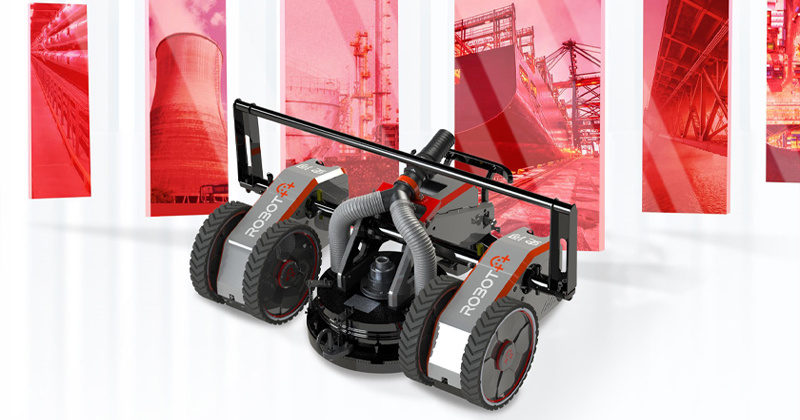
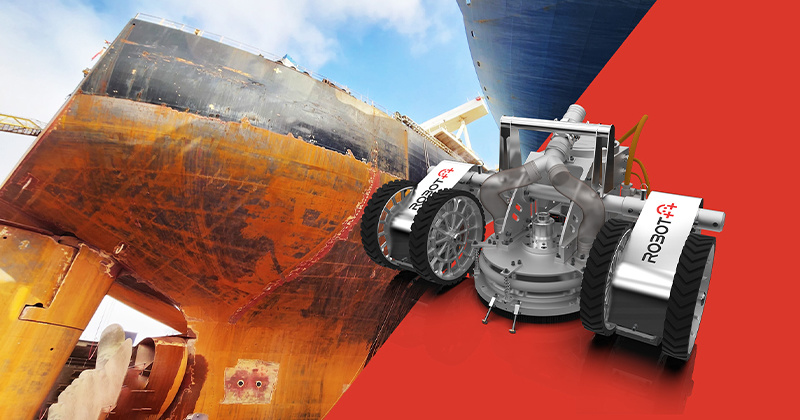
Petrochemical dome blasting robots are specialized machines designed to clean and maintain the large storage domes used in the petrochemical industry. These robots simulate real-world operations and serve multiple purposes, including cleaning, inspection, and maintenance of storage tanks.
1. **Functionality of Dome Blasting Robots**
Dome blasting robots are equipped with advanced technologies that enable them to perform tasks that would be hazardous for human workers. They typically include features such as:
- Automated blasting systems to remove contaminants.
- Sensors for environmental monitoring.
- Remote control capabilities for safe operation.
2. **Importance in the Petrochemical Industry**
The petrochemical industry is vital for producing various products, from plastics to fuels. The maintenance of storage facilities is crucial to ensure safety and efficiency. As such, the adoption of dome blasting robots not only enhances safety but also increases operational efficiency.
The Evolution of Model Toys: From Simple Designs to Complex Robotics
The world of model toys has undergone a significant transformation over the years. Initially, model toys comprised simple designs made from wood or plastic. However, with advancements in technology, model toys have evolved into complex, intricately designed robotic systems.
1. **Historical Development**
- The early 20th century saw the emergence of model trains and cars.
- By the late 20th century, the introduction of remote-controlled cars and drones initiated a new era in model toys.
2. **Incorporation of Robotics**
Today, robotics is at the forefront of model toy development. Companies are now creating models that can perform tasks and respond to user inputs, making playtime more interactive and educational.
Technological Advancements in Model Toys and Robotics
Technological innovations have significantly influenced the development of model toys, especially in robotics. The following advancements have played a crucial role in this evolution:
1. **Microcontrollers and Sensors**
The integration of microcontrollers allows model toys to have programmable features, enabling users to customize their operation. Sensors, such as ultrasonic and infrared, enhance the functionality of these toys, allowing for obstacle avoidance and navigation.
2. **Artificial Intelligence (AI)**
AI has enabled robotic model toys to learn and adapt to their environment. Toys equipped with AI can interact more naturally with users, creating a more immersive experience.
3. **Virtual and Augmented Reality (VR/AR)**
The incorporation of VR and AR technologies is changing how users interact with model toys. These technologies provide a multi-dimensional experience, allowing children and adults alike to visualize their models in action.
The Role of Education and STEM in Robotic Model Toys
Robotic model toys serve as excellent educational tools that promote interest in science, technology, engineering, and mathematics (STEM). Their significance in education cannot be understated:
1. **Enhancing Problem-Solving Skills**
By engaging with robotic model toys, children develop critical thinking and problem-solving skills. They learn how to troubleshoot issues that arise during assembly or operation.
2. **Encouraging Creativity**
Model toys inspire creativity as children can modify or build their designs, fostering an innovative mindset.
3. **Collaborative Learning**
Working in teams to build and program robotic models encourages collaboration and communication, essential skills in today’s workforce.
Collectibility and Market Trends in Model Toys
As model toys evolve, so do the market trends surrounding them. Collectibility has become an important aspect for many enthusiasts:
1. **The Rise of Collectibles**
Limited edition models and exclusive releases have created a booming market for collectors. The demand for unique and high-quality models has surged, leading to increased prices and investment potential.
2. **Online Communities**
The advent of social media and online forums has allowed collectors to connect and share information, further driving interest in model toys.
3. **Sustainable Practices**
As environmental consciousness grows, manufacturers are focusing on sustainable practices in producing model toys. This shift is appealing to eco-conscious consumers.
Future Predictions for Model Toys and Robotics
Looking ahead, several trends are expected to shape the future of model toys:
1. **Increased Integration of AI and Robotics**
We predict that future model toys will feature even more sophisticated AI and robotics capabilities, making them more interactive and engaging.
2. **Growth in Educational Focus**
As STEM education continues to gain importance, we expect an increase in educational models that teach complex concepts through play.
3. **Sustainability Will Drive Innovation**
The focus on eco-friendly materials and sustainable manufacturing processes will likely shape the models of the future, appealing to a broader audience.
Conclusion
The world of model toys, particularly petrochemical dome blasting robots, is on the brink of exciting developments that blend play with education and technological innovation. As we look to the future, the integration of advanced robotics, AI, and sustainable practices will redefine what model toys can accomplish. They will continue to captivate a new generation of enthusiasts, providing valuable learning experiences while celebrating the wonders of engineering and design.
FAQs about Model Toys and Robotics
1. What are petrochemical dome blasting robots used for?
Petrochemical dome blasting robots are used to clean and maintain storage tanks in the petrochemical industry, ensuring safety and operational efficiency.
2. How do model toys help in STEM education?
Model toys encourage problem-solving, creativity, and teamwork, enhancing critical skills that are essential in STEM fields.
3. What technological features are common in modern model toys?
Modern model toys often incorporate microcontrollers, sensors, AI capabilities, and sometimes even VR or AR technologies for an enhanced user experience.
4. Are model toys collectible?
Yes, many model toys are collectible, especially limited editions or unique designs that can appreciate in value over time.
5. What is the future of model toys?
The future of model toys is expected to involve greater integration of advanced technologies, a focus on sustainability, and an emphasis on educational value within STEM.






If you are interested in our products, please leave your email and we will contact you as soon as possible. Thank you.