

-
-
-
-
-
-
About Us



News
Empowering Humans with Robots
Scroll Down
Exploring the Innovation of Petrochemical Dome Blasting Robots in Robotics Models
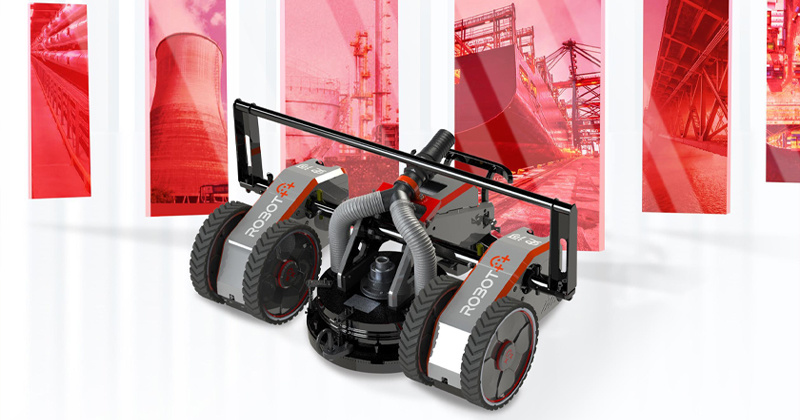
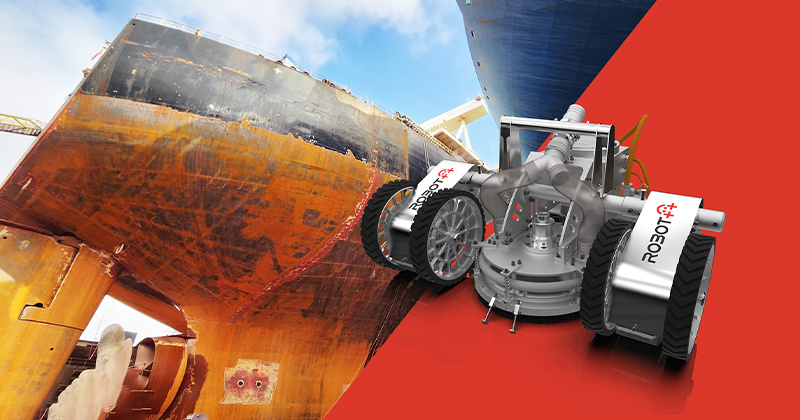
The petrochemical dome blasting robot represents a significant evolution in the field of robotics, particularly within the niche of model toys. These robots are engineered for precision, efficiency, and safety, making them invaluable in various industrial applications, especially in the petrochemical sector. Understanding their workings and applications expands the horizons for professionals in th
Dec 03,2025
The petrochemical dome blasting robot represents a significant evolution in the field of robotics, particularly within the niche of model toys. These robots are engineered for precision, efficiency, and safety, making them invaluable in various industrial applications, especially in the petrochemical sector. Understanding their workings and applications expands the horizons for professionals in the toy and model industry, particularly those interested in robotics.
At the core of petrochemical dome blasting robots is advanced automation technology. These robots are designed to perform blasting operations in petrochemical environments, where safety and precision are paramount. The use of robotics in such hazardous environments reduces human exposure to toxic substances and minimizes the risk of accidents. The capacity to perform tasks that are typically dangerous for human workers offers a glimpse into the future of various industries, including model toys and robotics.
In the context of robotics models, the technology behind petrochemical dome blasting robots can inspire new designs and functionalities. For instance, the adaptability of these robots can be mirrored in toy models, leading to innovative creations that simulate real-world applications. This intersection of technology and creativity not only enhances the educational value of model toys but also encourages young minds to engage with engineering concepts.
Moreover, the operational efficiency of these robots, which often incorporate AI and machine learning algorithms, can inform the design of more sophisticated models. By integrating similar technologies, toy developers can create interactive and responsive robotic models that captivate users and provide a deeper understanding of robotics and automation.
The environmental considerations associated with petrochemical operations also pave the way for discussions around sustainability in the toy industry. As awareness of environmental issues grows, robotics model designers can explore eco-friendly materials and energy-efficient technologies that resonate with consumers’ values. This shift not only aligns with current trends but also positions the brand as a forward-thinking leader in the market.
In conclusion, the exploration of petrochemical dome blasting robots provides valuable insights into robotics and their potential implications for the toy and model industry. By leveraging the innovative aspects of these robots, professionals can develop engaging and educational robotic models that reflect the advancements in technology. As the industry evolves, embracing such technologies will be crucial for staying competitive and relevant in an ever-changing market. Whether for educational purposes or simply for innovation's sake, the future of robotics in model toys is bright, inspired by real-world applications like those seen in petrochemical dome blasting robots.
At the core of petrochemical dome blasting robots is advanced automation technology. These robots are designed to perform blasting operations in petrochemical environments, where safety and precision are paramount. The use of robotics in such hazardous environments reduces human exposure to toxic substances and minimizes the risk of accidents. The capacity to perform tasks that are typically dangerous for human workers offers a glimpse into the future of various industries, including model toys and robotics.
In the context of robotics models, the technology behind petrochemical dome blasting robots can inspire new designs and functionalities. For instance, the adaptability of these robots can be mirrored in toy models, leading to innovative creations that simulate real-world applications. This intersection of technology and creativity not only enhances the educational value of model toys but also encourages young minds to engage with engineering concepts.
Moreover, the operational efficiency of these robots, which often incorporate AI and machine learning algorithms, can inform the design of more sophisticated models. By integrating similar technologies, toy developers can create interactive and responsive robotic models that captivate users and provide a deeper understanding of robotics and automation.
The environmental considerations associated with petrochemical operations also pave the way for discussions around sustainability in the toy industry. As awareness of environmental issues grows, robotics model designers can explore eco-friendly materials and energy-efficient technologies that resonate with consumers’ values. This shift not only aligns with current trends but also positions the brand as a forward-thinking leader in the market.
In conclusion, the exploration of petrochemical dome blasting robots provides valuable insights into robotics and their potential implications for the toy and model industry. By leveraging the innovative aspects of these robots, professionals can develop engaging and educational robotic models that reflect the advancements in technology. As the industry evolves, embracing such technologies will be crucial for staying competitive and relevant in an ever-changing market. Whether for educational purposes or simply for innovation's sake, the future of robotics in model toys is bright, inspired by real-world applications like those seen in petrochemical dome blasting robots.






If you are interested in our products, please leave your email and we will contact you as soon as possible. Thank you.