

-
-
-
-
-
-
About Us



News
Empowering Humans with Robots
Scroll Down
Exploring the Role of Oil and Gas Sandblasting Robots in the Industry
The oil and gas industry is heavily reliant on equipment and infrastructure that must endure harsh environmental conditions. This often leads to the accumulation of rust, contaminants, and other surface imperfections that can compromise the integrity of machinery and pipelines. Sandblasting, a process that involves the use of high-pressure air to propel abrasive materials onto surfaces for cleanin
Apr 08,2026
The oil and gas industry is heavily reliant on equipment and infrastructure that must endure harsh environmental conditions. This often leads to the accumulation of rust, contaminants, and other surface imperfections that can compromise the integrity of machinery and pipelines. Sandblasting, a process that involves the use of high-pressure air to propel abrasive materials onto surfaces for cleaning or preparation, has long been a standard practice in this field. However, the advent of sandblasting robots is revolutionizing this technique.
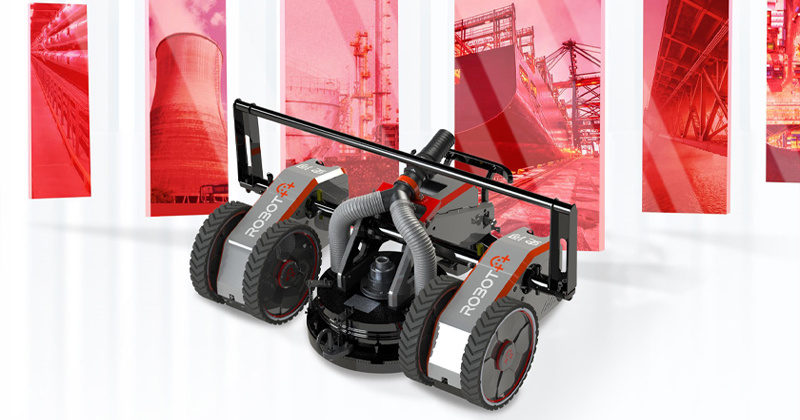
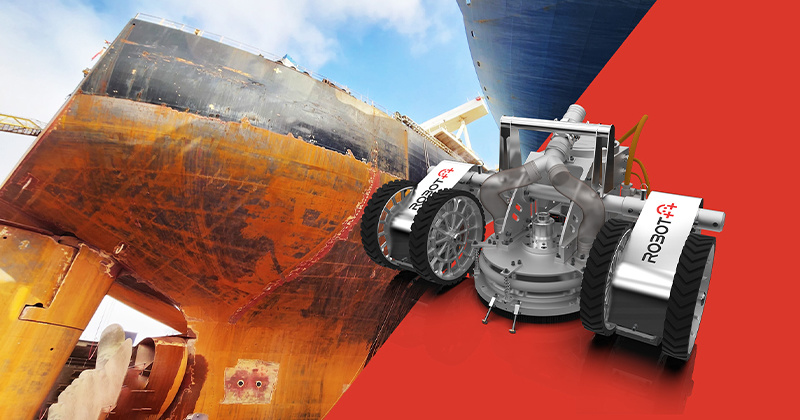
Oil and gas sandblasting robots are designed to automate the sandblasting process, offering a range of benefits that enhance operational efficiency. One of the primary advantages is increased safety. Traditional sandblasting methods often expose workers to hazardous materials and environments. By employing robots for these tasks, companies can significantly reduce the risk of accidents and health issues associated with manual labor. Robots can operate in confined spaces or under extreme conditions, eliminating the need for human intervention in potentially dangerous situations.
Moreover, these robots provide a high degree of precision and consistency. In the oil and gas sector, surface preparation quality is paramount. Sandblasting robots can maintain uniformity in the application of abrasives, ensuring that surfaces are adequately prepared for coatings or repairs. This consistency is vital for extending the lifespan of equipment and preventing costly failures down the line.
Another noteworthy aspect of oil and gas sandblasting robots is their efficiency. Robots can work continuously with minimal downtime, allowing for faster project completion and reduced labor costs. This increased productivity can lead to significant savings for companies, making them more competitive within the industry.
The integration of advanced technologies in oil and gas sandblasting robots also allows for real-time monitoring and data collection. Companies can analyze performance metrics, track operational efficiency, and identify areas for improvement. This data-driven approach enables businesses to make informed decisions, ultimately enhancing their overall strategy and performance.
In conclusion, oil and gas sandblasting robots are a game-changer for the industry, offering enhanced safety, precision, efficiency, and data analytics capabilities. As the oil and gas sector continues to evolve, the adoption of such innovative technologies will be essential in meeting the challenges of modern operations. Companies that embrace these advancements will not only improve their processes but also contribute to a safer and more sustainable future in the industry.






If you are interested in our products, please leave your email and we will contact you as soon as possible. Thank you.