
-
-
-
-
-
-
About Us


News
Empowering Humans with Robots
Scroll Down
Understanding Hydroblasting: A Powerful Cleaning Technique for Industrial Applications
Hydroblasting is a cleaning technique that employs extremely high-pressure water to dislodge and remove unwanted materials such as dirt, grease, paint, and rust from surfaces. This method is particularly valuable in industrial environments where equipment and machinery are subject to heavy buildup of contaminants that can affect performance and safety. Unlike traditional cleaning methods that may
Jun 01,2026
Hydroblasting is a cleaning technique that employs extremely high-pressure water to dislodge and remove unwanted materials such as dirt, grease, paint, and rust from surfaces. This method is particularly valuable in industrial environments where equipment and machinery are subject to heavy buildup of contaminants that can affect performance and safety. Unlike traditional cleaning methods that may involve harsh chemicals or abrasive materials, hydroblasting offers a more environmentally friendly alternative, relying solely on the power of water.
One of the main advantages of hydroblasting is its ability to clean difficult-to-reach areas and complex geometries. The high-pressure water can penetrate tight spaces and effectively remove debris without the risk of damaging the underlying surfaces. This makes hydroblasting ideal for cleaning intricate components, such as heat exchangers, valves, and piping systems. Additionally, it can be used on various materials, including metal, concrete, and glass, making it a versatile choice for multiple applications.
In industrial settings, hydroblasting can significantly enhance operational efficiency. Regular cleaning prevents the buildup of contaminants, which can lead to equipment malfunctions or failures. By maintaining clean surfaces, businesses can improve the longevity of their equipment and reduce downtime due to maintenance or repairs. Moreover, hydroblasting helps ensure compliance with safety and health regulations, as it effectively removes hazardous substances that could pose risks to workers.
Another noteworthy benefit of hydroblasting is its capacity for significant water savings compared to traditional cleaning methods. While it may sound counterintuitive, the precision of hydroblasting techniques allows for concentrated cleaning with minimal water usage. This can be particularly advantageous for industries aiming to reduce their environmental footprint and conserve resources.
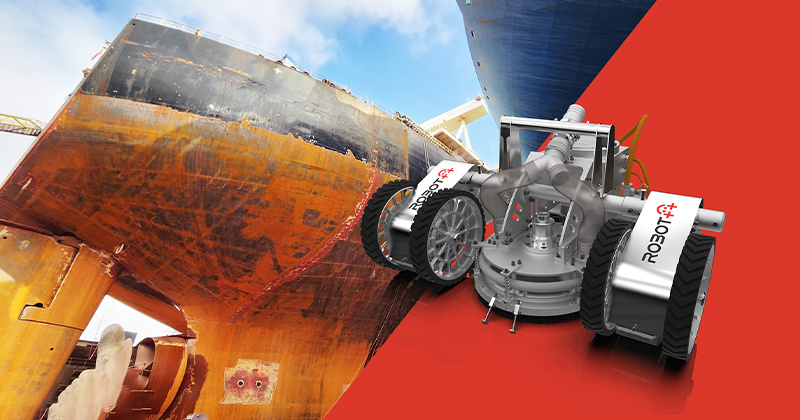
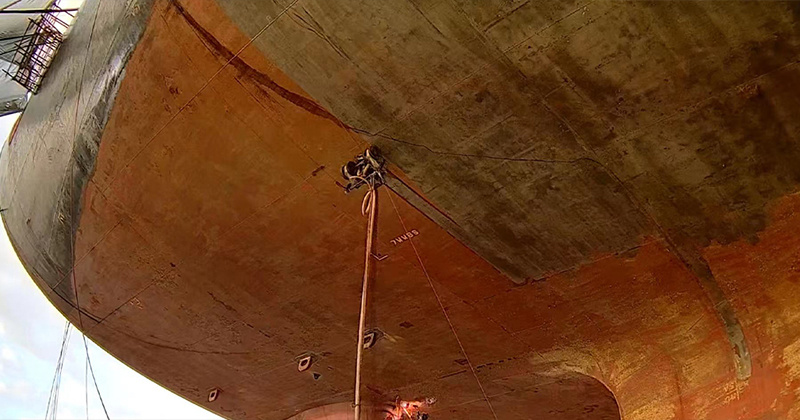
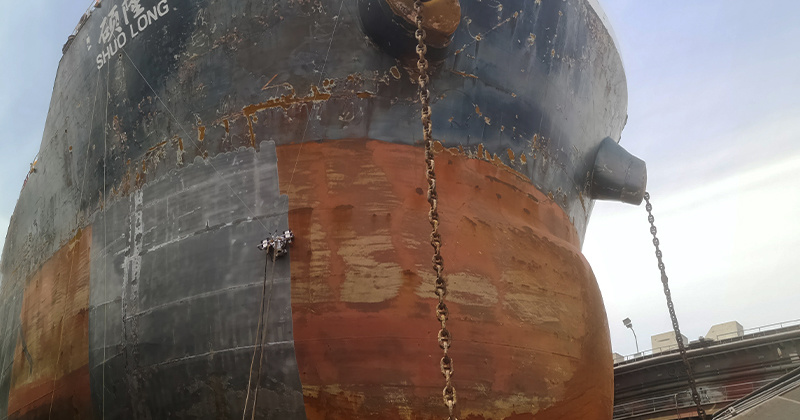
Hydroblasting is commonly used across various sectors, including manufacturing, oil and gas, construction, and maritime industries. Each of these fields has unique cleaning challenges that hydroblasting can address effectively. For example, in the oil and gas sector, hydroblasting is utilized to clean pipelines and tanks, ensuring they operate efficiently and safely. In the maritime industry, it is employed to remove barnacles and marine growth from vessels, enhancing their performance and fuel efficiency.
In summary, hydroblasting is a powerful and efficient cleaning method that provides numerous benefits for industrial applications. With its ability to tackle tough cleaning jobs, reduce environmental impact, and enhance equipment performance, hydroblasting stands out as a preferred choice for many industries seeking effective cleaning solutions. As industries continue to evolve, the importance of advanced cleaning techniques like hydroblasting will only grow, making it a valuable asset in maintaining equipment and ensuring operational success.
One of the main advantages of hydroblasting is its ability to clean difficult-to-reach areas and complex geometries. The high-pressure water can penetrate tight spaces and effectively remove debris without the risk of damaging the underlying surfaces. This makes hydroblasting ideal for cleaning intricate components, such as heat exchangers, valves, and piping systems. Additionally, it can be used on various materials, including metal, concrete, and glass, making it a versatile choice for multiple applications.
In industrial settings, hydroblasting can significantly enhance operational efficiency. Regular cleaning prevents the buildup of contaminants, which can lead to equipment malfunctions or failures. By maintaining clean surfaces, businesses can improve the longevity of their equipment and reduce downtime due to maintenance or repairs. Moreover, hydroblasting helps ensure compliance with safety and health regulations, as it effectively removes hazardous substances that could pose risks to workers.
Another noteworthy benefit of hydroblasting is its capacity for significant water savings compared to traditional cleaning methods. While it may sound counterintuitive, the precision of hydroblasting techniques allows for concentrated cleaning with minimal water usage. This can be particularly advantageous for industries aiming to reduce their environmental footprint and conserve resources.
Hydroblasting is commonly used across various sectors, including manufacturing, oil and gas, construction, and maritime industries. Each of these fields has unique cleaning challenges that hydroblasting can address effectively. For example, in the oil and gas sector, hydroblasting is utilized to clean pipelines and tanks, ensuring they operate efficiently and safely. In the maritime industry, it is employed to remove barnacles and marine growth from vessels, enhancing their performance and fuel efficiency.
In summary, hydroblasting is a powerful and efficient cleaning method that provides numerous benefits for industrial applications. With its ability to tackle tough cleaning jobs, reduce environmental impact, and enhance equipment performance, hydroblasting stands out as a preferred choice for many industries seeking effective cleaning solutions. As industries continue to evolve, the importance of advanced cleaning techniques like hydroblasting will only grow, making it a valuable asset in maintaining equipment and ensuring operational success.






If you are interested in our products, please leave your email and we will contact you as soon as possible. Thank you.