

-
-
-
-
-
-
About Us


Empowering Humans with Robots
Achieving Grain-Clean Standards in 6 Hours: A Case Study on Robotic Cargo Hold Cleaning with HighMate C20
Manual Method V.S. Robotic Solution
Nov 01,2025
The Ship & HighMate C20
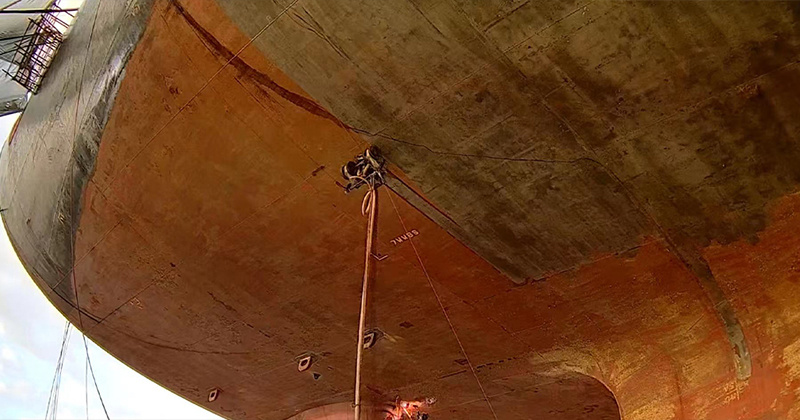
The vessel, a Supramax bulk carrier built in 2012 by a Japanese shipyard, has five holds, all of which are in poor condition due to lack of maintenance.
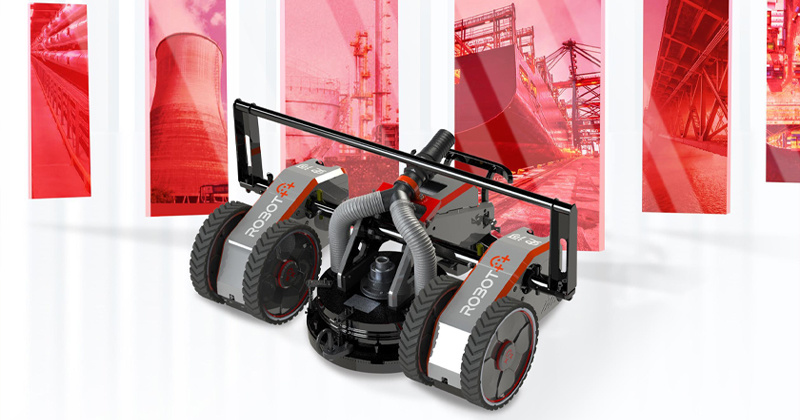
HighMate C20 is a robotic system helps to reduce the costs associated with manual cleaning while eliminating the risks involved in working at height.
Cleaning Steps
Bulk carriers generally share similar hold structures. The process began with a detailed inspection inside the hold, then deploy and test the whole system before actual cleaning.
The cleaning start from topside tank, to avoid the waste water contaminating the area lower. Then clean the entire hold frames with rotating nozzles and extension arm. Follow steps are cleaning corrugated bulkhead, it is a bit easier and faster than hold frames, same pattern as hold frames, start from the top to the bottom. And Obstacles like pipes and ladders in this area were cleaned using rotating nozzles.
Cleaning Results
The following photos demonstrate the cleaning outcomes. The cleaning results achieved using the robot are satisfactory, meeting grain-cleaning standards and making the hold ready for high-requirement cargoes.


Conclusion
This case study demonstrates the HighMate C20 robotic system's transformative benefits for cargo hold cleaning. Using two robots, a 5,000+m² hold was cleaned to grain standards in just six hours—achieving rates 2-3 times faster than manual methods while reducing costs by 58%. The system pays for itself within 90-95 cycles and significantly enhances safety by eliminating high-risk work at height. Robotic cleaning offers a faster, safer, and more profitable solution for modern shipping.
Manual Method V.S. Robotic Solution
The HighMate C20 system is designed with following features, which has lower costs and higher efficiency:
- Easy to transport, shorter deployment time, more time saved.
- Less water and electricity consumption, lower costs.
- Longer lifespan of consumables, longer replacement cycle.
- Fewer crew members required on site, the same number of crews can operate more robots.






If you are interested in our products, please leave your email and we will contact you as soon as possible. Thank you.