

-
-
-
-
-
-
About Us

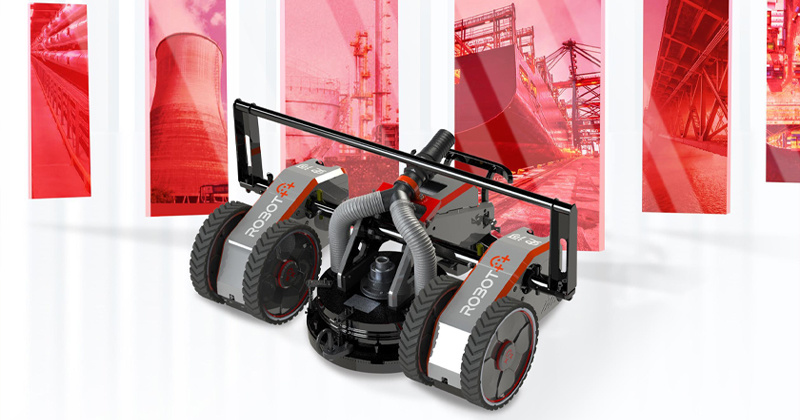
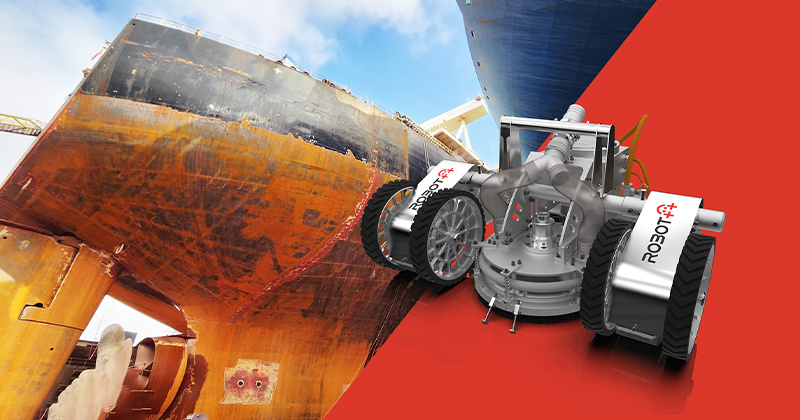



Empowering Humans with Robots
Revolutionizing Surface Preparation: The Role of Petrochemical Sandblasting Robots in Modern Industries
In recent years, the advent of robotic technologies has transformed various industries, and one area that has seen significant advancements is surface preparation, particularly through the use of petrochemical sandblasting robots. These robots are engineered to perform sandblasting tasks with precision and efficiency, making them invaluable in sectors such as manufacturing, construction, and, nota
Feb 25,2026
In recent years, the advent of robotic technologies has transformed various industries, and one area that has seen significant advancements is surface preparation, particularly through the use of petrochemical sandblasting robots. These robots are engineered to perform sandblasting tasks with precision and efficiency, making them invaluable in sectors such as manufacturing, construction, and, notably, the electric and electronic toy industry.
Petrochemical sandblasting robots utilize a method known as abrasive blasting, where propelled abrasive materials are used to clean, smooth, or shape surfaces. This process is essential in preparing surfaces for painting or coating, ensuring that the final products meet the highest quality standards. In the electric and electronic toy sector, where aesthetics and durability are crucial, these robots play a vital role in enhancing product quality.
One of the key advantages of employing petrochemical sandblasting robots is their ability to maintain consistent performance. Unlike manual sandblasting, which can vary in technique and outcome based on the operator's skill level, robots deliver uniform results every time. This consistency ensures that each toy produced has a flawless surface, free from imperfections, which is particularly important in maintaining brand reputation and customer satisfaction.
Additionally, these robots contribute to improved safety standards in the workplace. Sandblasting can expose workers to harmful dust and debris, posing health risks. By automating this process, companies can minimize human exposure to hazardous materials, creating a safer working environment. This transition not only protects employees but also aligns with contemporary health and safety regulations, which are increasingly stringent across industries.
Moreover, petrochemical sandblasting robots can significantly enhance productivity. Their ability to operate continuously without fatigue allows for higher output rates compared to manual labor. This efficiency is especially beneficial in the competitive landscape of the electric and electronic toy market, where timely delivery of products is crucial for businesses looking to meet consumer demands.
As technology continues to evolve, the integration of artificial intelligence and machine learning into petrochemical sandblasting robots is also on the horizon. Such advancements could further optimize the sandblasting process by enabling robots to adapt to different materials and project requirements on the fly, paving the way for even more innovative applications in the toy industry.
In conclusion, petrochemical sandblasting robots are revolutionizing the surface preparation processes in various industries, including the electric and electronic toy sector. Their ability to provide consistent quality, enhance safety, and improve productivity makes them a game-changer in manufacturing. As technology progresses, the potential for these robots to transform workflows and product standards is immense, solidifying their importance in modern industrial practices.






If you are interested in our products, please leave your email and we will contact you as soon as possible. Thank you.